Bierzo Uncorked
The Spanish Wine Collective gets to experience first-hand the terroir-driven projects of Verónica Ortega and Nacho León
Last month, Spanish Wine Collective writers gathered in Bierzo, in northwestern Spain, arriving from Andalusia, Galicia, Madrid, Catalonia and England to experience a region whose wines rank among the most exciting in the country.
Cuncas, orellas and rabo
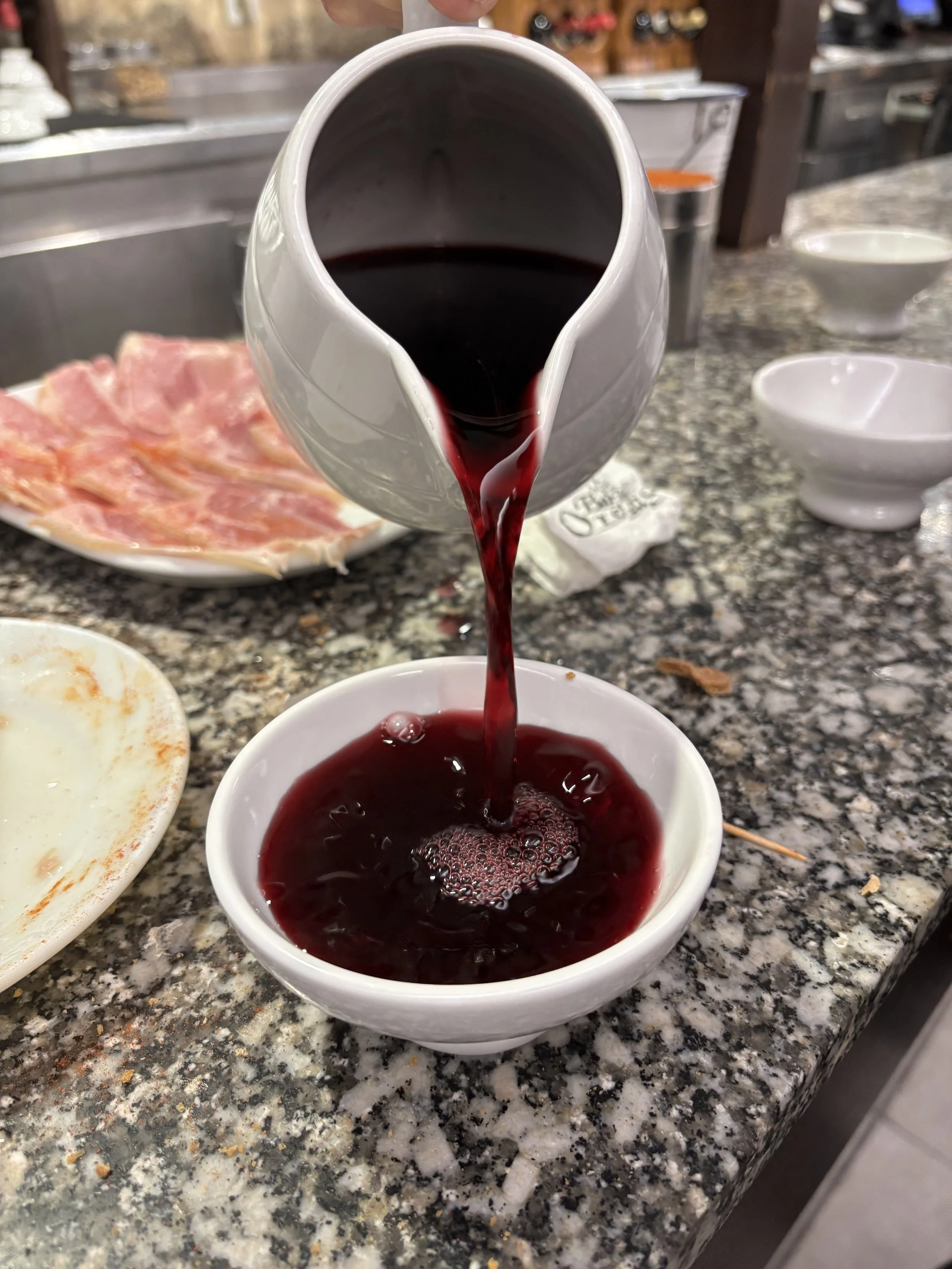
Our initial meeting point was Ourense in Galicia, a cultural and administrative centre in the province that shares its name. There is much to see there, including the cathedral and the Roman bridge over the Minho river. Yet our priority was to find an old-style taberna to drink local wine from cuncas, the traditional small ceramic bowls used for drinking wine in parts of Galicia.
Cuncas remain a part of local wine culture, especially in the nearby Ribeiro wine region, with rustic tinto and blanco wines served from a pitcher called a xerra or xarrón.
Traditional bars, especially old tabernas, have a long history of serving porco (pork) in many forms, including orellas (ears) and rabos de porco (pig tails). At Bar Orellas, an authentic, no-frills place in the old town, we ate the bar’s signature dish, served boiled and seasoned with hot paprika.

Into Bierzo
Our journey by slow train from Ourense to Ponferrada took us along the course of the Sil river, a historic link between Galicia and Bierzo and the province of Leon.
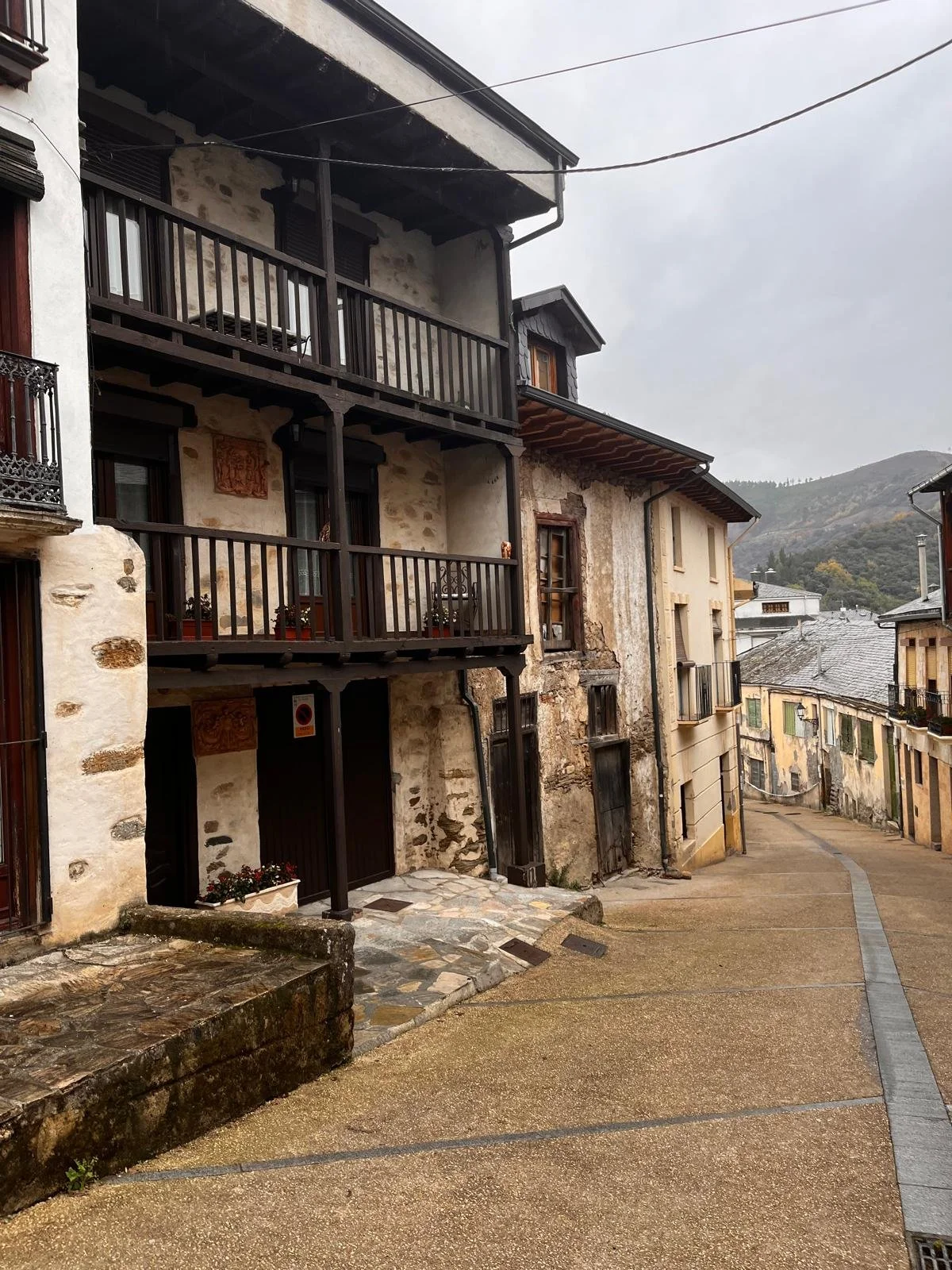
Richard Ford’s Handbook for Travellers in Spain, and Readers at Home (1845) was one of the first detailed travel guides to Spain written in English. Approaching ‘El Vierzo’, he encountered a landscape he described as “truly Swiss-like,” adorned with “painter-like bridges, convents, cottages, projecting balconies and vines,” its villages arranged like an amphitheatre, seemingly “shut out from the world by lofty snow-capped mountains.”
While Ford was drawn to the region’s trout streams, we headed to the first bodega on our itinerary.
Bodega Verónica Ortega
Originally from Cádiz, Verónica Ortega spent her formative years working at Clos Erasmus and with Álvaro Palacios in Priorat, and further honed her craft at prestigious estates such as Domaine de la Romanée‑Conti in Burgundy and Domaine Laurent Combier in Crozes‑Hermitage (Rhône).
She launched her own project in Bierzo in 2010 and works with small parcels of old vines, some 80 to 100 years old, scattered over different terroirs in the region.
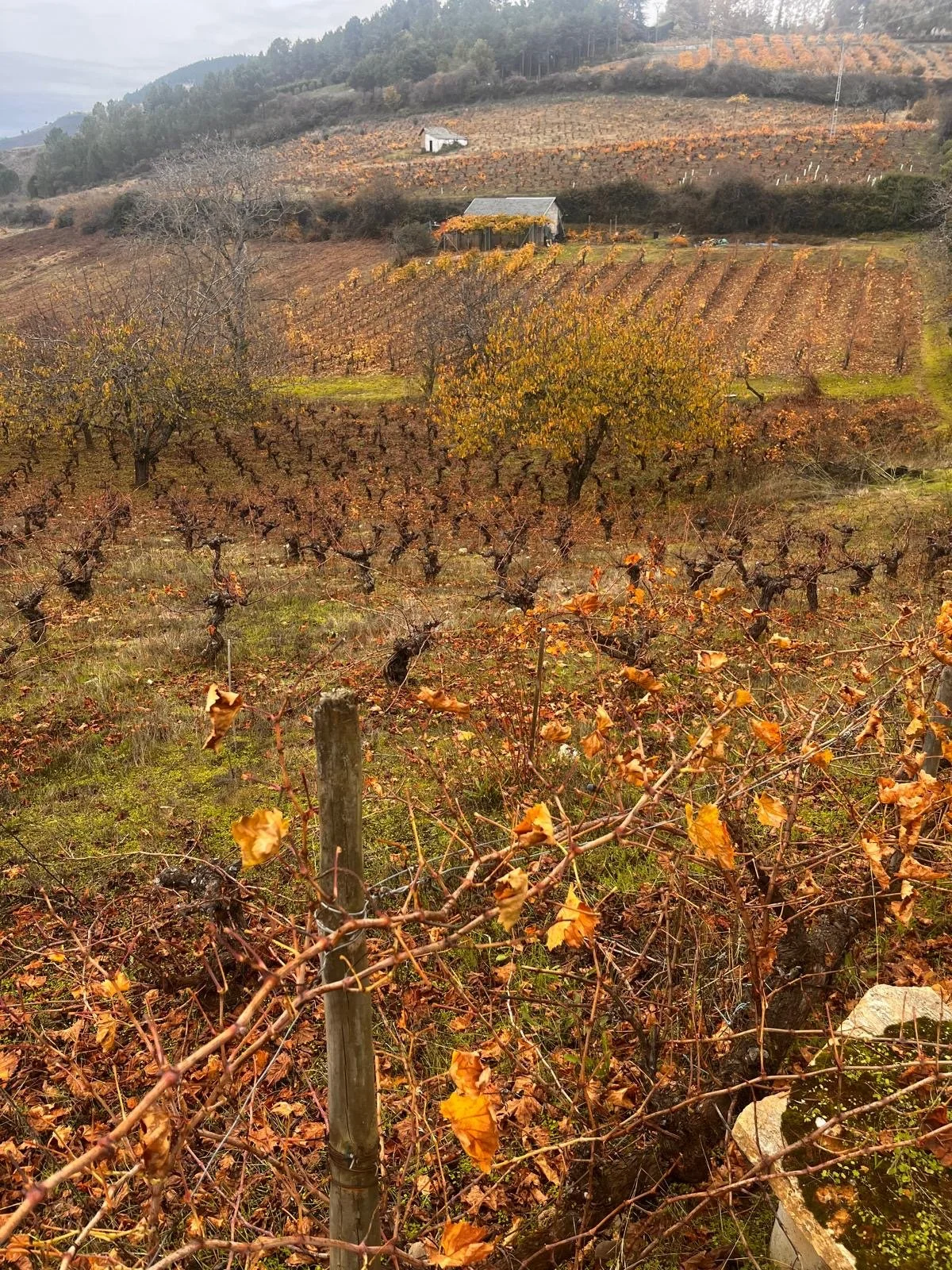
As we approached Valtuille de Abajo, where Verónica's original bodega had been located, we were immediately captivated by the bowl-shaped valley of Bierzo and the natural beauty of the surrounding landscape.
Verónica met us at her new bodega in the nearby village of Carracedelo, which she opened in 2023. The new, larger facility marks a significant milestone in the evolution of her project, offering greater flexibility for vinification, extending the ageing periods, bottling and storage.
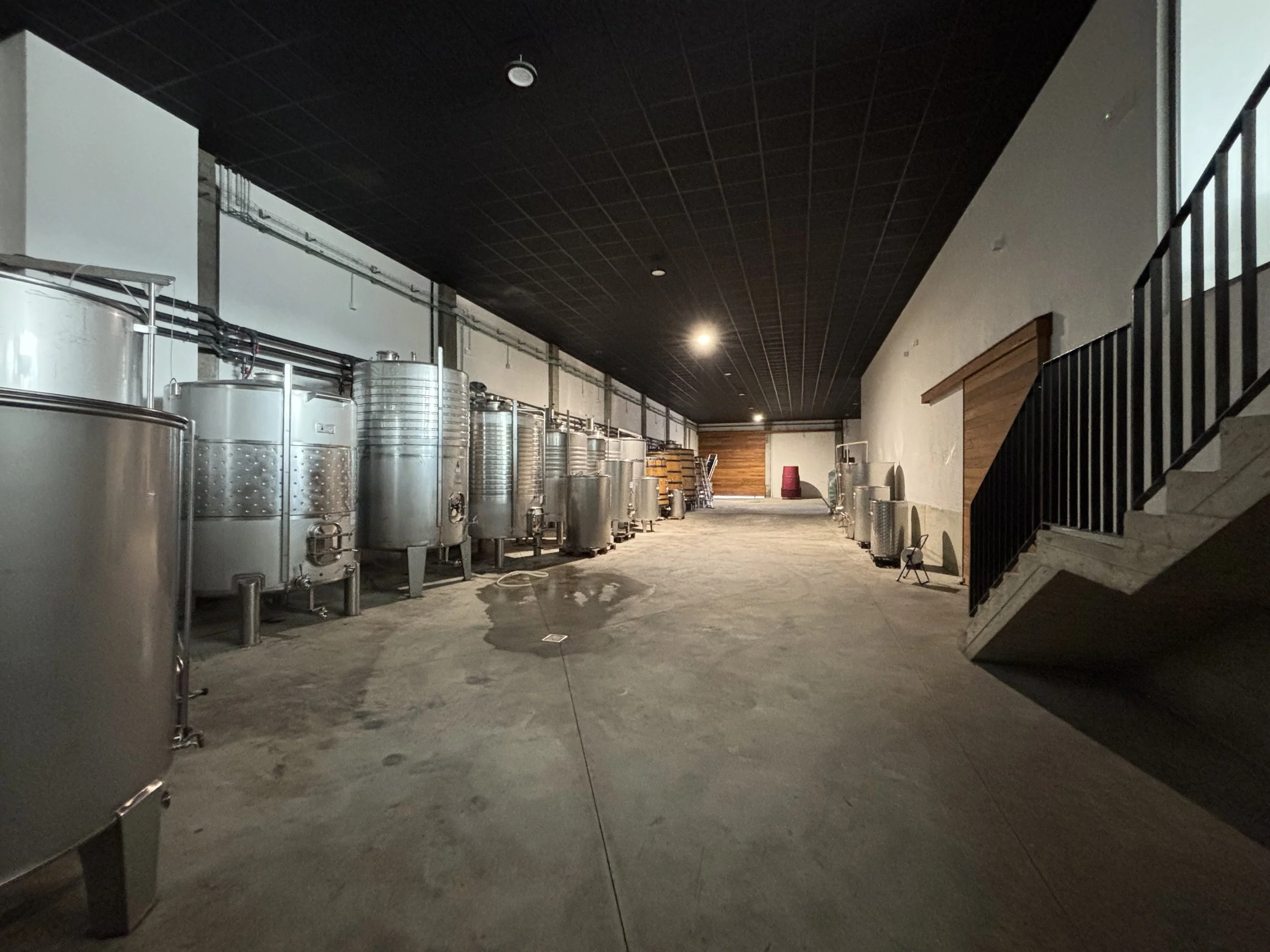
“We have seen the difference in the wines,” said Verónica. “We can do more delicate work, and they show much more freshness and elegance.”
Even with a larger bodega, she remains committed to working with small parajes (specific vineyard areas) and keeping yields modest. Production reaches only around 70,000 bottles. “We have more space, but the idea is not to grow,” she explained, underlining the focus on quality over quantity.
She favours organic viticulture, minimal intervention and ageing in a mix of vessels including foudres, large barrels and amphorae depending on the wine. Her wines aim for precision, freshness and a clear expression of terroir.
Verónica guided us through the barrel room, offering samples straight from the casks and other vessels. As we tasted, she explained how the soils, the unique characteristics of different parcels, the use of whole-cluster fermentations and varying maceration times all shaped the personality of each cuvée.
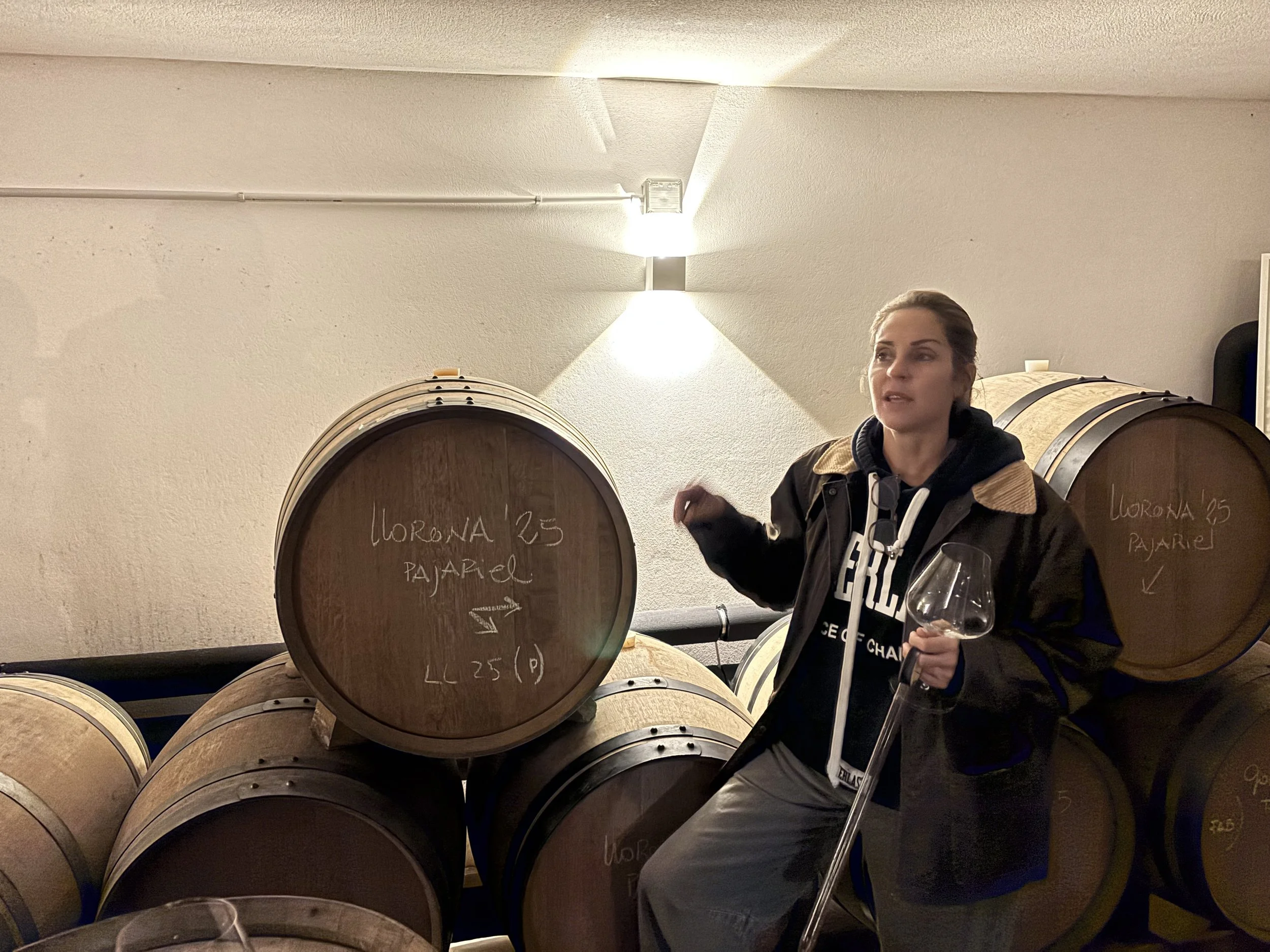
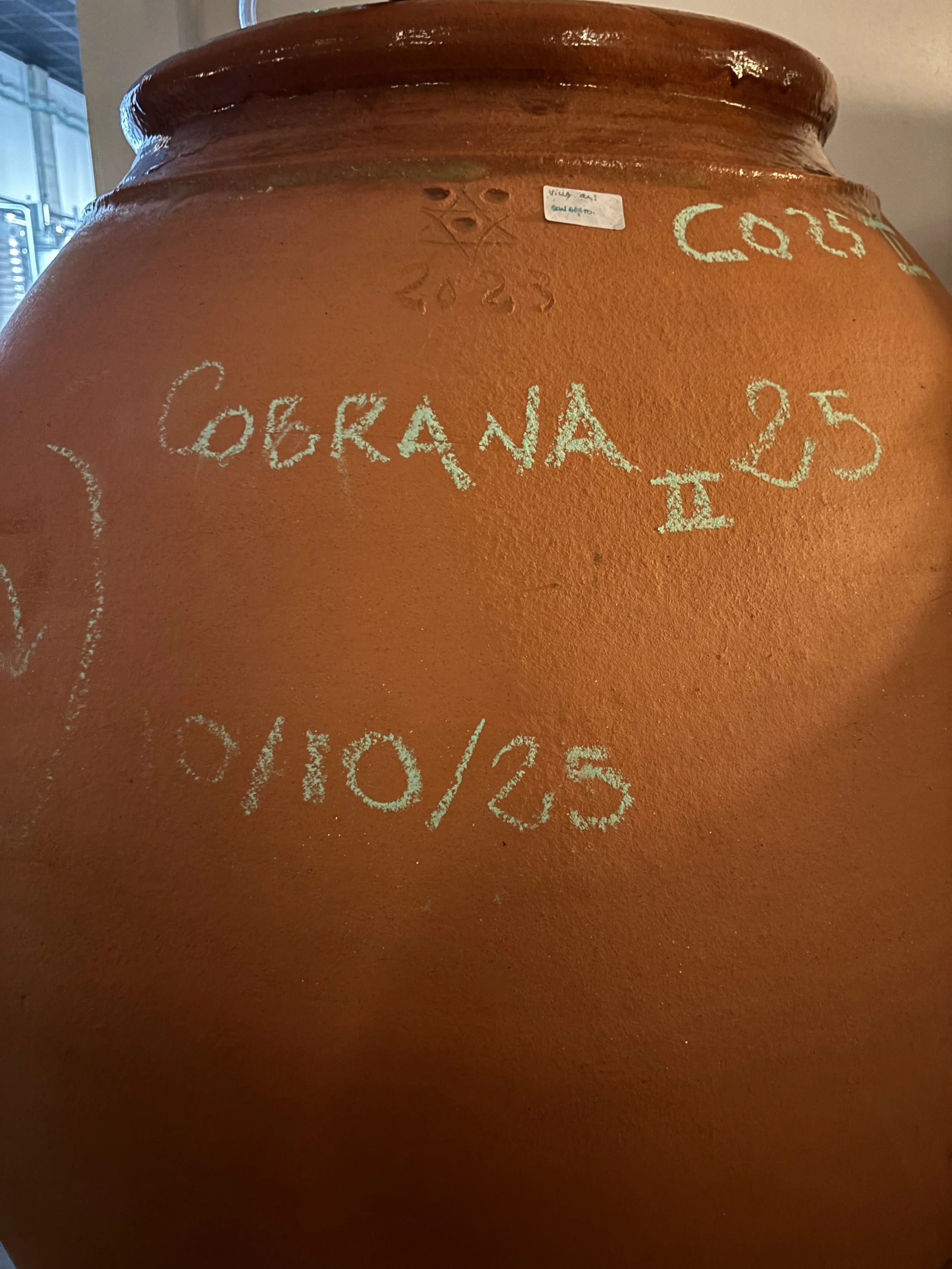
White wines, such as Tormenta and La Llorona, are made exclusively from Godello. A single white wine, Roto, is made from Palomino Fino.
As we tasted, we were struck not only by the clarity and finesse of Verónica’s wines, but by how vividly each one expressed the character of its vineyard and the unique terroir from which it came.
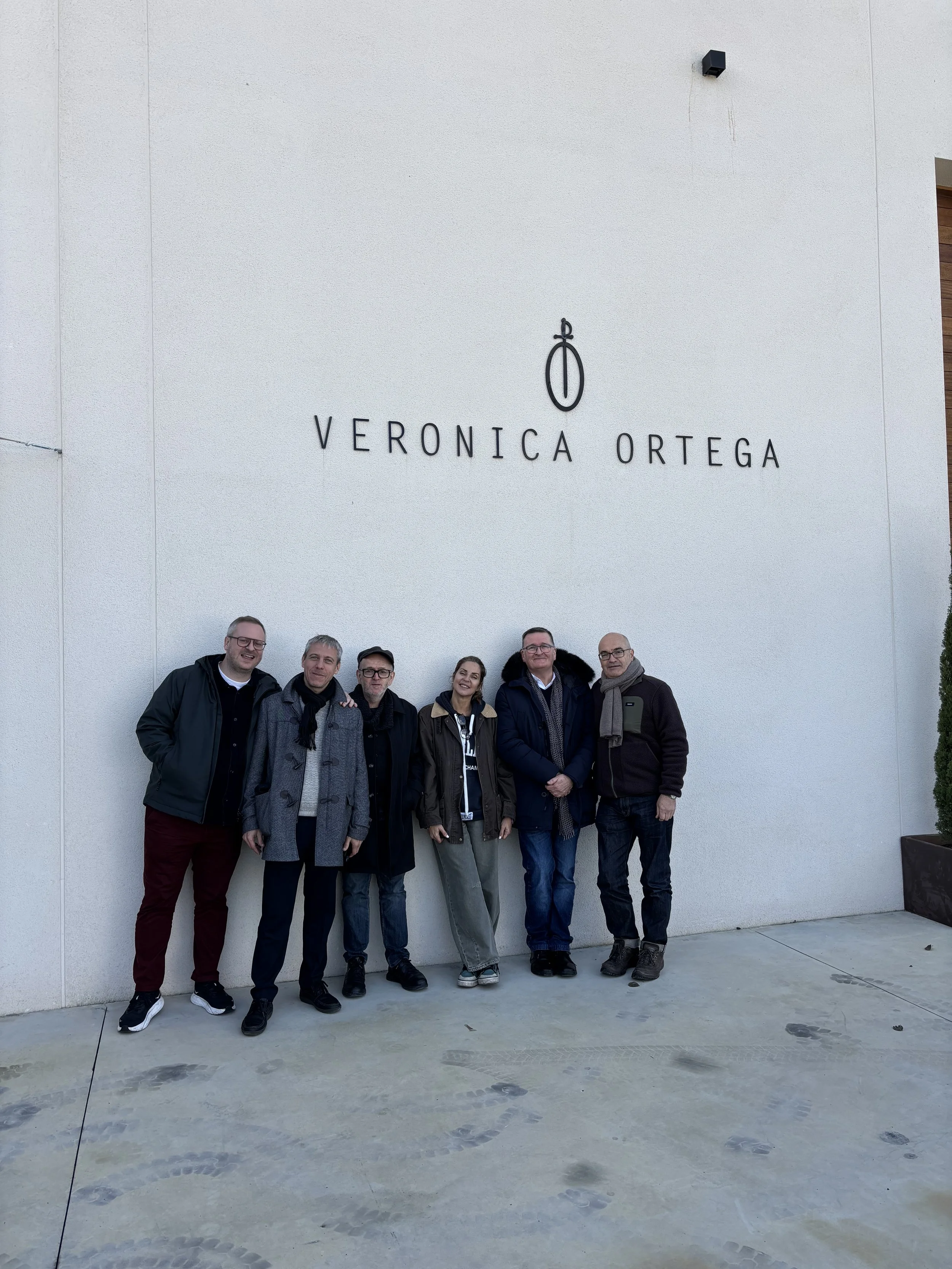
Mesón Don Nacho
They say that all good things must come to an end, but sometimes one good thing simply leads to another. Thus it was, for after saying our goodbyes to Verónica, we headed into Villafranca del Bierzo for what proved to be a memorable lunch at Mesón Don Nacho.
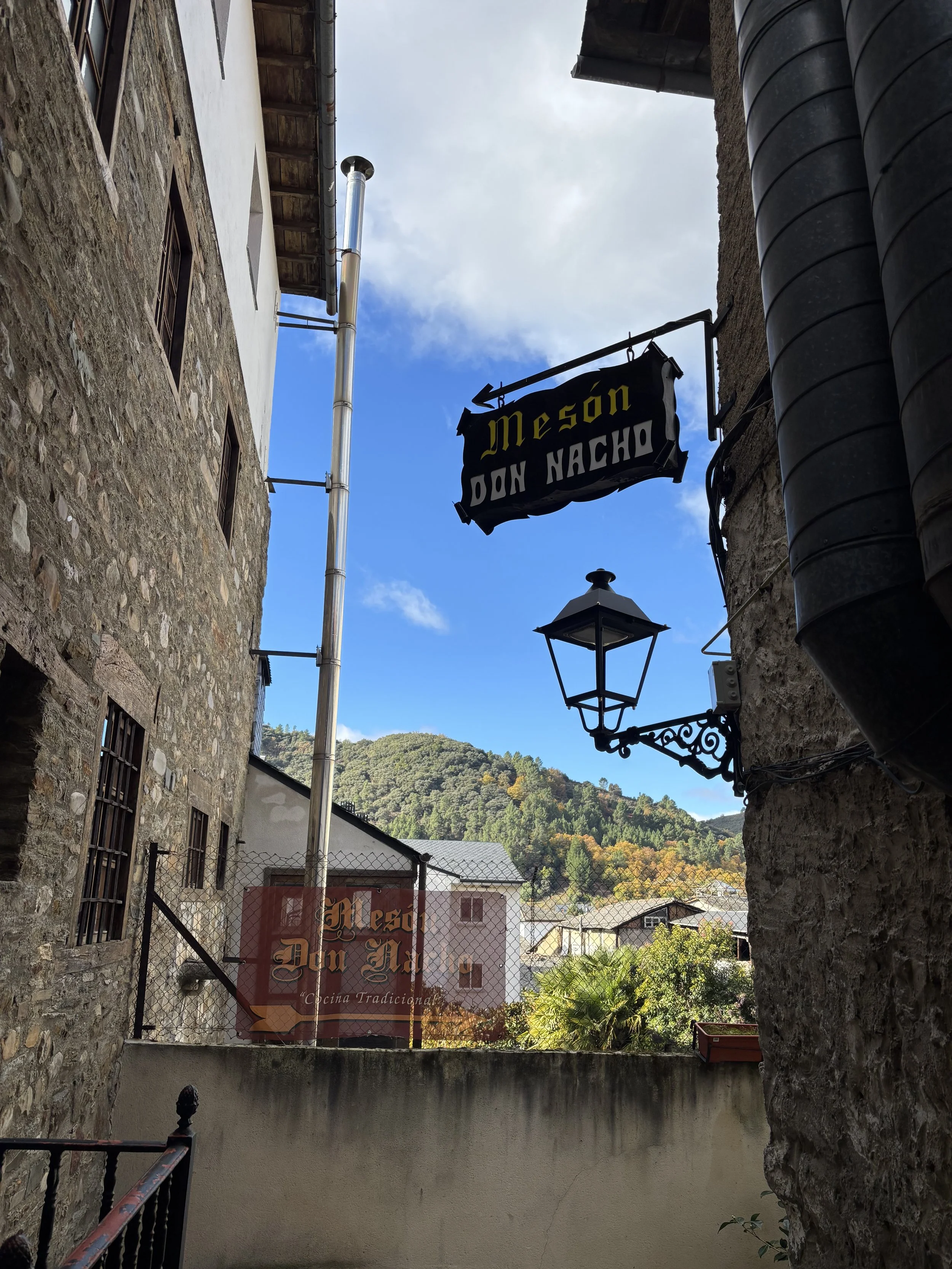
Don Nacho's fully merits its reputation as an essential place to eat and drink in Bierzo. The dining room itself has a charming old-skool simplicity, and it is an ideal setting in which to enjoy traditional dishes cooked to perfection. And as for wine, not only can you drink any number of fine cuvées from local producers, their extensive cellar holds top references from elsewhere in Spain and beyond.
We kicked off proceedings by ordering a bottle of Verónica's Tormenta 2021, one of the wines that just a hour before we had sampled straight from the barrel (2024 vintage). This we followed with one of her newest wines, and one that is already impossible to find outside restaurant wine lists: the Cáreo 2023. A blend of Mencía and co-planted white varieties (Godello, Doña Blanca, Palomino) from centenarian vines, this wine spent 12 months in 300 L oak barrels, followed by 4 months in an 800 L amphora. It is a delight, and one you should most definitely keep an eye out for.

Two more bottles were uncorked before lunch ended: the magnificent Sufreiral 2023 from César Márquez, and the Banzao Eras La Ermita 2021. All in all, a veritable celebration of what Bierzo has to offer.
Demencia Wine
The following day, we travelled to the village of Toral de los Vados, home to the winery of Nacho León.
An agricultural engineer by training and vigneron by vocation, Nacho started Demencia Wine in 2006. It’s a unique and deeply personal project focused on Nacho’s vineyards in Villafranca del Bierzo and Valtuille de Abajo.
As we tasted different vintages of his cuvées from the barrel, Nacho told us about the core principles of his approach and philosophy: regenerative farming in the vineyard, a deep respect for terroir, hand-harvesting and a sensitivity to what each paraje expresses through the wine.
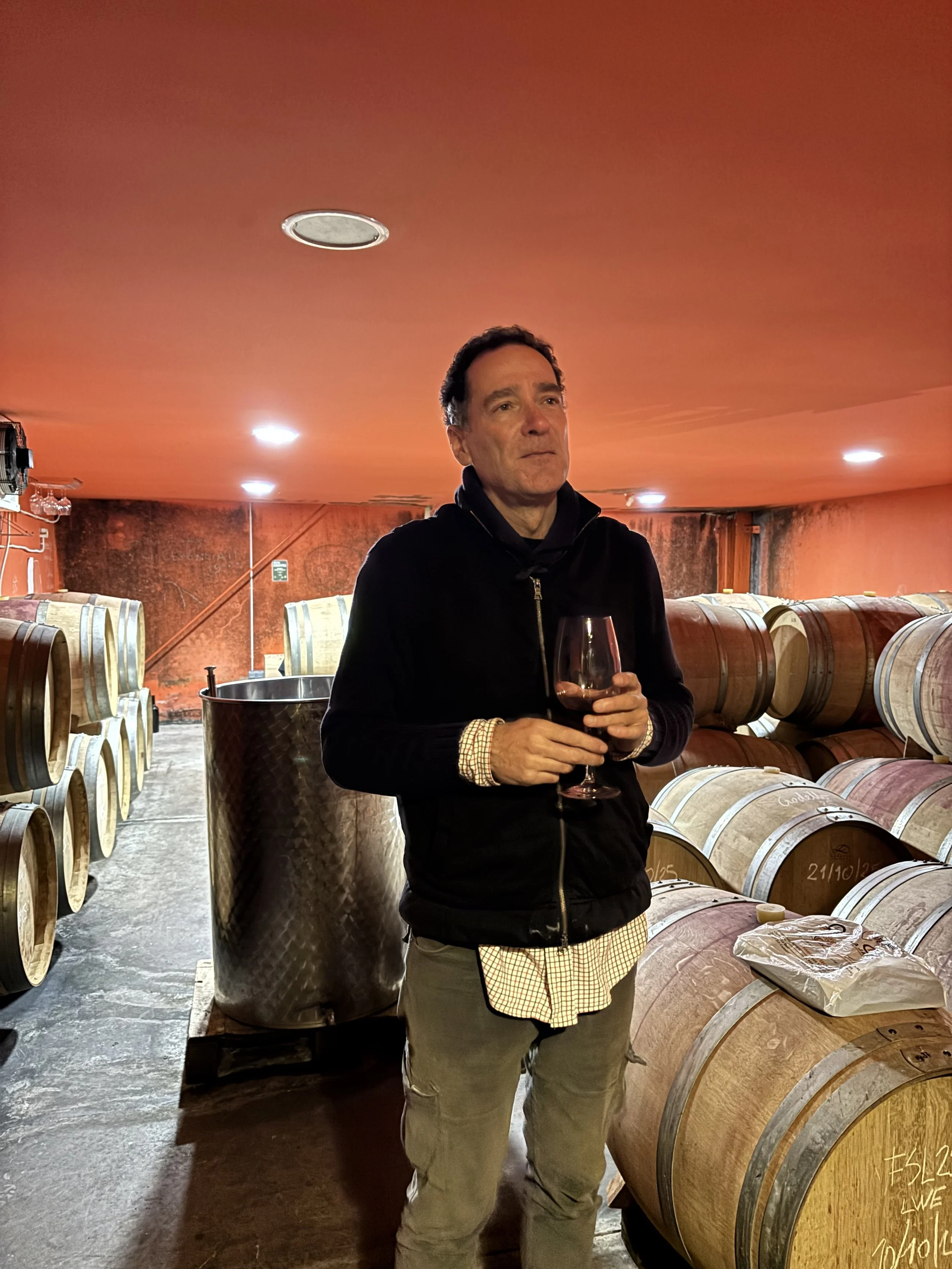
“Mencía,” Nacho explained, “is a variety with an extraordinary ability to express its origins. It produces wines that truly speak of and transmit the character of place.”
“The idea is to honour the heritage of our ancestors, who planted these old vines, by crafting classic wines,” he said. “I see myself primarily as a winegrower, not a ‘winemaker.’ Almost all the work happens in the vineyard, and by doing less in the bodega I hope to achieve the balance of elegance and rusticity that is so characteristic of Bierzo wines.”
What made listening to Nacho so captivating was not just his technical knowledge and expertise, but also his dedication to restoring small, abandoned vineyards, his care for the land and his embrace of patience as a guiding principle in wine. In his words, “I leave the wine alone to let it speak.”
Nacho explained, in simple terms, the specific parajes he works with and how each one shapes the character of his wines, whether created from a single paraje, or blended from different parcels.

Most of his red wines are at least 80% Mencía, complemented by smaller amounts of Palomino, Godello, Garnacha Tintorera and Estaladiña. He also makes two Godellos, one ‘serious’ white from an old vine parcel in Villafranca del Bierzo, and a fresher, more approachable cuvée from different vineyards in the area.
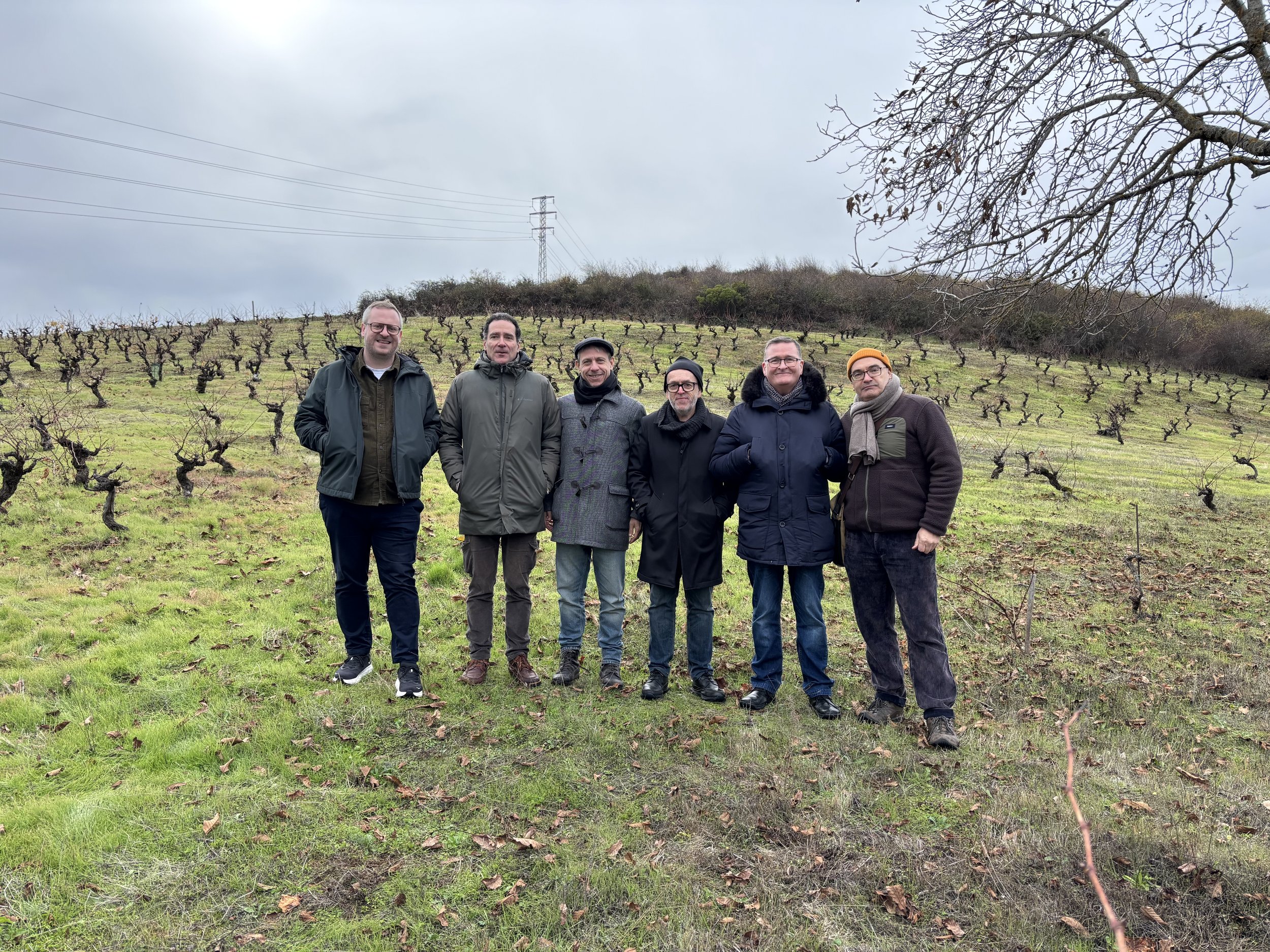
It was only when we drove out to see the very old vines in two of Nacho’s parajes, Fuente de San Lázaro and Monte Cotelo, the sources of some of his most expressive wines, that we truly grasped how soils, altitude, microclimate and orientation give each parcel its own ‘voice.’
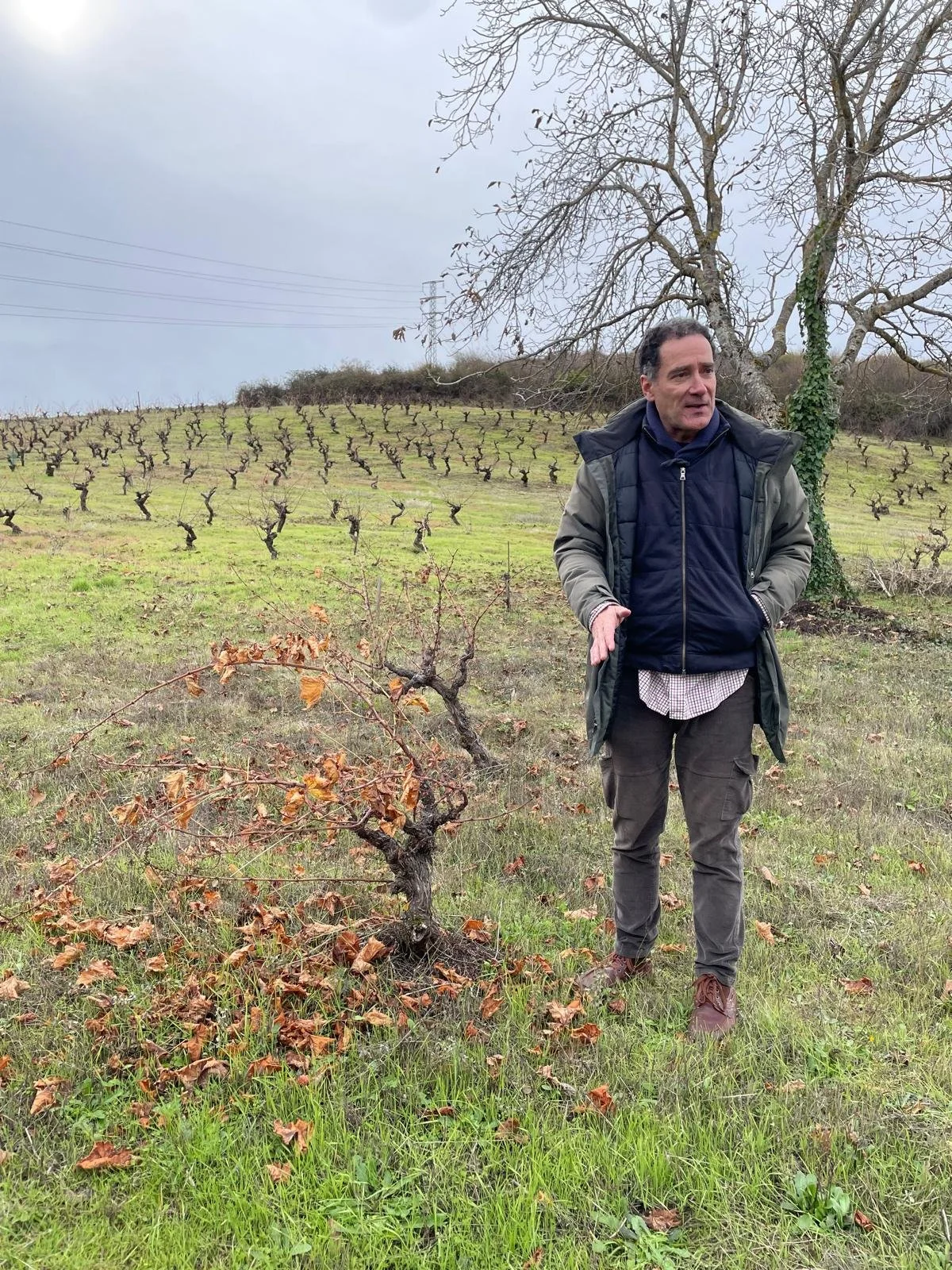
We also learned how much Nacho values the wide variety of plant species in his parcels: “These bushes and plants provide spontaneous green cover, everything goes back into the soil and enriches the genetic material we have inherited from the past.”
By bottling wines both individually and as blends, Nacho seeks to reveal the unique character of each terroir as well as the broader identity of Bierzo wine.
La Puerta del Perdón
After being chilled to the bone in the vineyards, we descended with Nacho into Villafranca del Bierzo for what became a long, unhurried lunch at La Puerta del Perdón, a place whose peaceful charm felt in tune with the slower rhythms of the Camino de Santiago which runs beside it.
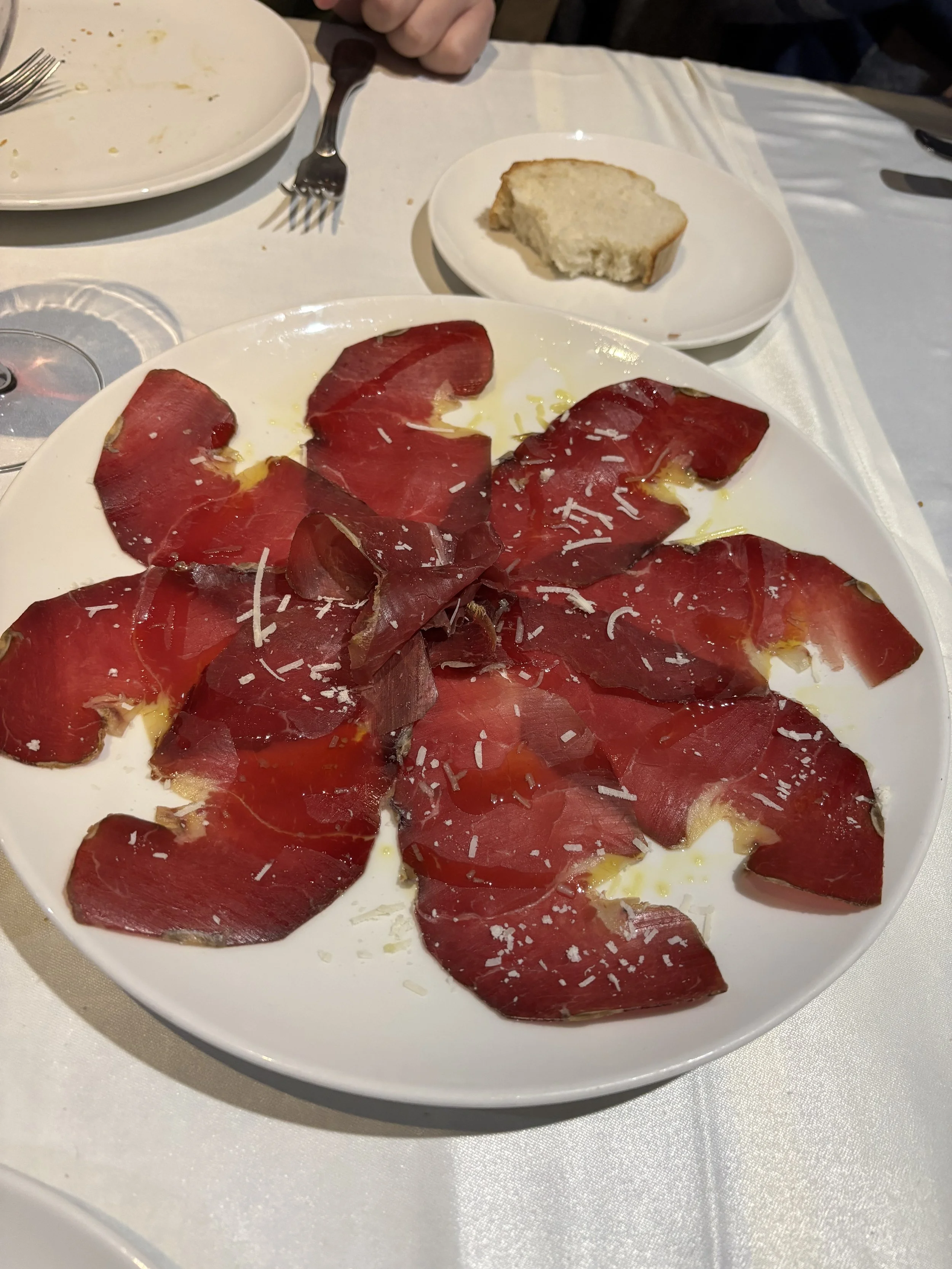
The menu was simple, local and rooted in the region’s producers. Highlights included a delicate ceviche de corvina, smoky cecina de León, decadent, creamy foie, and perfect homestyle croquetas.
And then came the unexpected ‘side dish’: a top quality chuletón, prepared by a local butcher and cooked rare.
We were fortunate to taste Nacho’s new experimental release, Inspiración, a natural wine fermented with wild yeasts and bottled unfined and unfiltered with no added sulfites. Later, a further two treats: Fuente de San Lázaro, a paraje wine from the very place we had stood earlier that day, and his equally memorable single-parcel cuvée, Villegas.
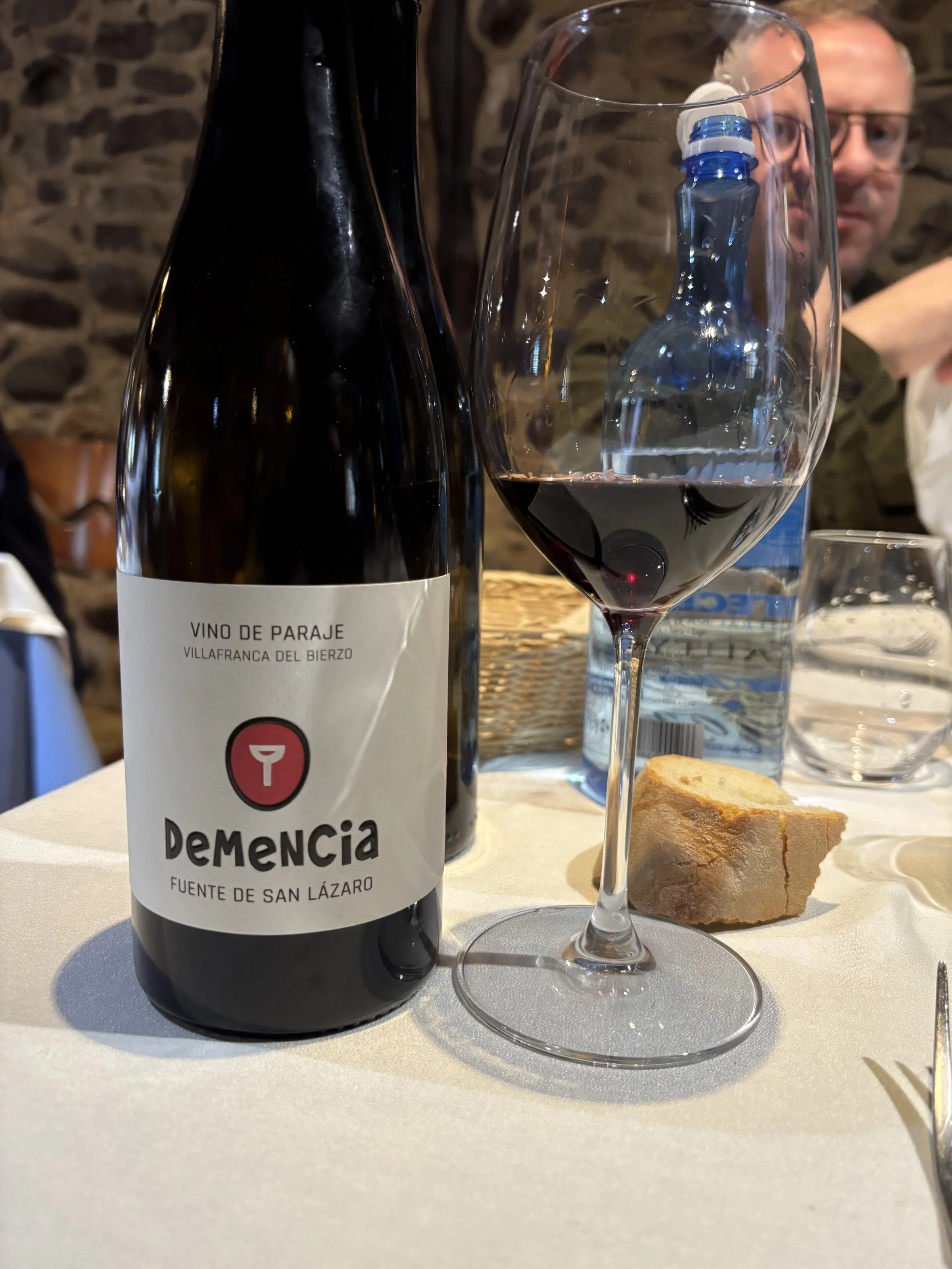
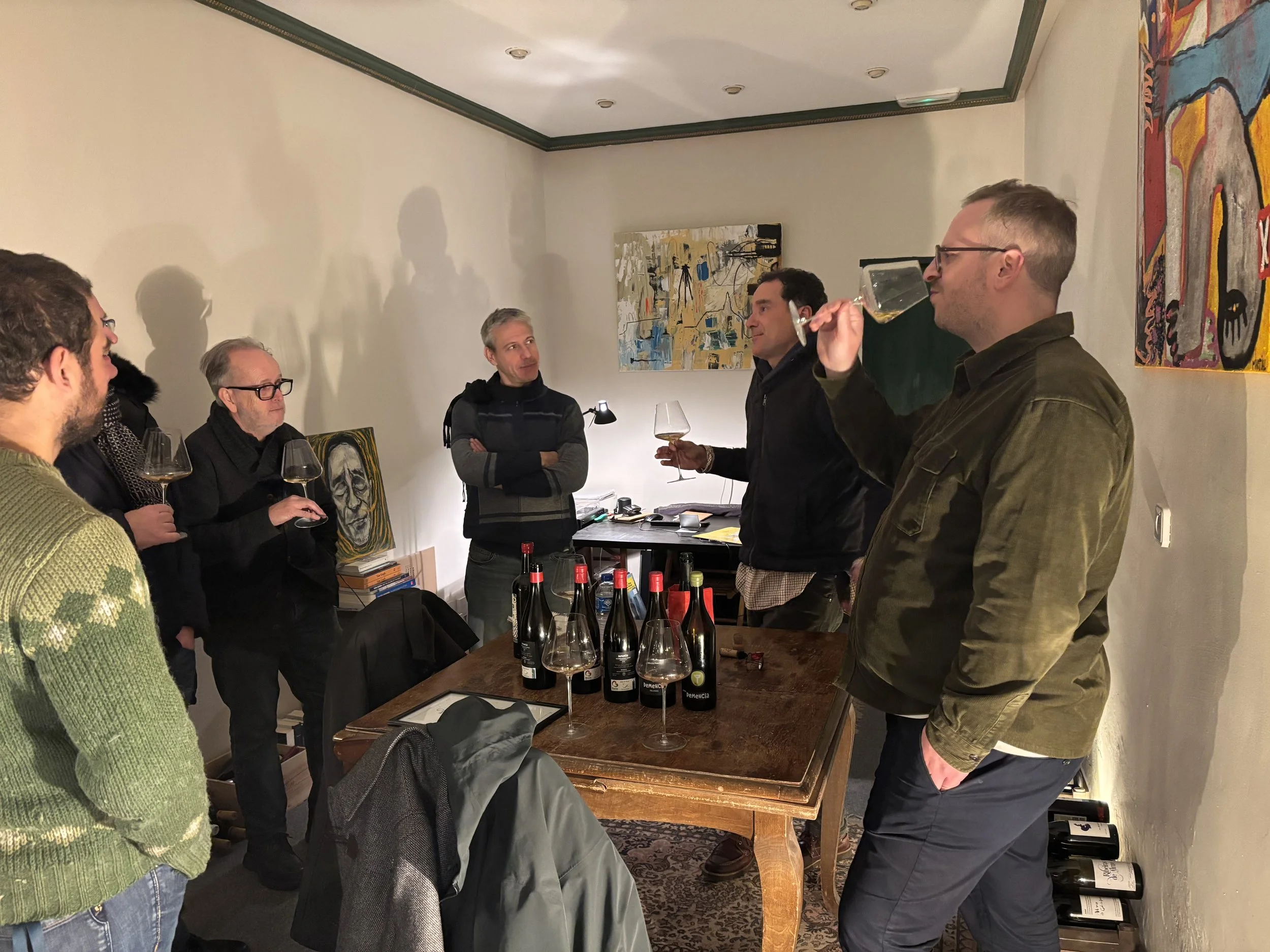
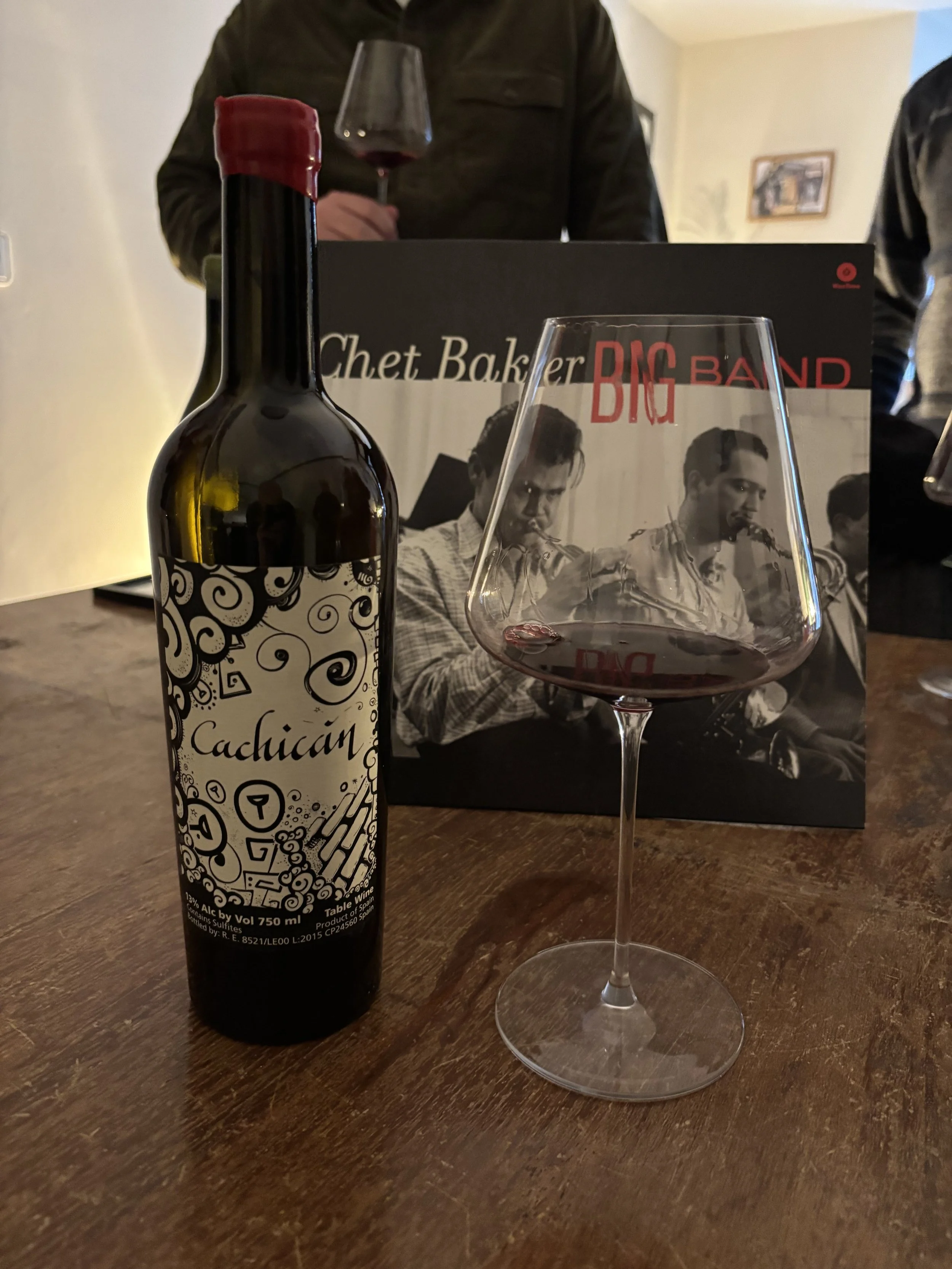
The afternoon drifted into an evening with more wine, easy conversation and music in Nacho’s cosy despacho in the centre of Villafranca. The experience brought home the deep truth of what Nacho shared with us: “Wine isn’t about technicalities or perfect food pairings; it’s about the act of gathering and the way we talk with one another as we share a bottle.”
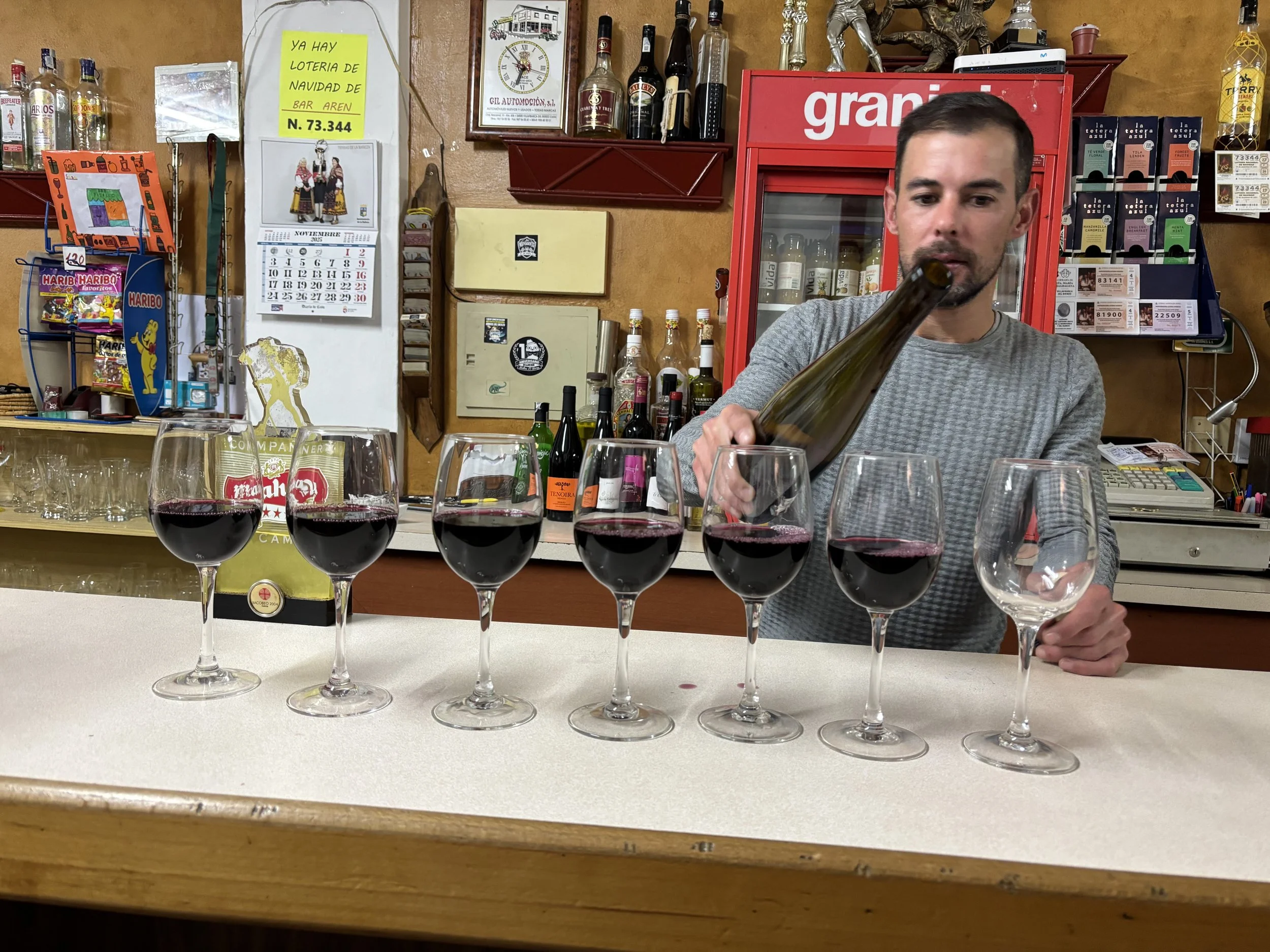
We could continue our account with how we later wandered into a traditional village bar, drank the wine made in its cellar and carried on long into the night with a memorable dinner accompanied by even more great Bierzo wines. But that is a story for another day!
Thank you, Verónica and Nacho, for opening the doors of your bodegas, and for your time and generosity. Our days in Bierzo were shaped as much by your hospitality as by the bottles we uncorked, and we left with a deeper understanding of the region, and a renewed appreciation for the people whose work gives its wines their soul.
Where we stayed
Our accommodation choice for this trip was the splendid Moncloa de San Lázaro in Cacabelos. Thanks to its proximity to the region's vineyards, it combines historic charm, a welcoming fireplace in winter and a lovely long terrace-bar and outdoor area to chill on a balmy summer evening.
Reflections by Spanish Wine Collective writers
“Sin lugar a dudas, lo más impactante de este encuentro ha sido conocer de manera casi íntima y personal la filosofía que hay detrás de cada forma de entender y elaborar el vino. Por un lado, Verónica Ortega, con su enfoque directo, casi llevado al límite de lo que El Bierzo y sus uvas pueden ofrecer, jugando a descifrar y reinterpretar una “geografía” oculta del viñedo leonés. Y por otro, Nacho León, con una visión quizá más serena en lo enológico, pero al mismo tiempo más holística y profundamente enraizada en el paisaje, la sociedad y la identidad de estas tierras leonesas.
“Me ha resultado increíble probar, mano a mano con ambos genios de la enología, la evolución del vino en rama y descubrir con ellos esas notas vivas que, uno o dos años después, darán personalidad a una nueva gama de tintos y blancos del Bierzo.
“Pero lo verdaderamente asombroso de esta experiencia no ha sido solo hablar y degustar vino, sino compartir una manera de entender la vida en la que el mosto fermentado es casi una excusa. Como nos mostró Verónica, el vino es una fuente de historias humanas y familiares, donde incluso el arte y la tauromaquia encuentran su lugar. Y es también, en palabras de Nacho, el elixir que propicia no solo maridajes perfectos, sino conversaciones humanas de altura (y si es con música clásica de fondo y una preocupación sincera por la dinamización social y económica del territorio, la experiencia se vuelve sencillamente sublime).
“Muy agradecido por la oportunidad. Ha sido una enorme y positiva sorpresa descubrir estas dos formas —distintas, pero igualmente auténticas— de expresar enológicamente (y también culinariamente) la personalidad del Bierzo. No lo olvidaré nunca.” José Luis Rodríguez Martínez
“Even though I’ve been visiting El Bierzo for about 15 years now, with the undeniable privilege of meeting people like Raúl Pérez at Castro Ventosa, his nephew César Márquez, Eva Blanco at Tilenus, Pipo Valle at Valle Blanco and Alejandro and Merche Luna at Luna Beberide along the way, I have to say that getting to know Nacho León back in 2012 was absolutely fundamental to my gaining a better understanding of this most ancient of Spanish wine regions. Nacho had also put in a good word for me with Verónica Ortega thus paving the way for a fabulous visit with two clients from Montreal back in early 2019. Our recent visit was particularly memorable for a bunch of reasons, namely the chance to witness the stunning evolution of two outstanding vignerons and share with my fellow SWC winos the hearty excellence of Bierzo cuisine at places like Mesón Don Nacho and La Puerta del Perdón in Villafranca del Bierzo. An unforgettable wine trip.” Adrian McManus
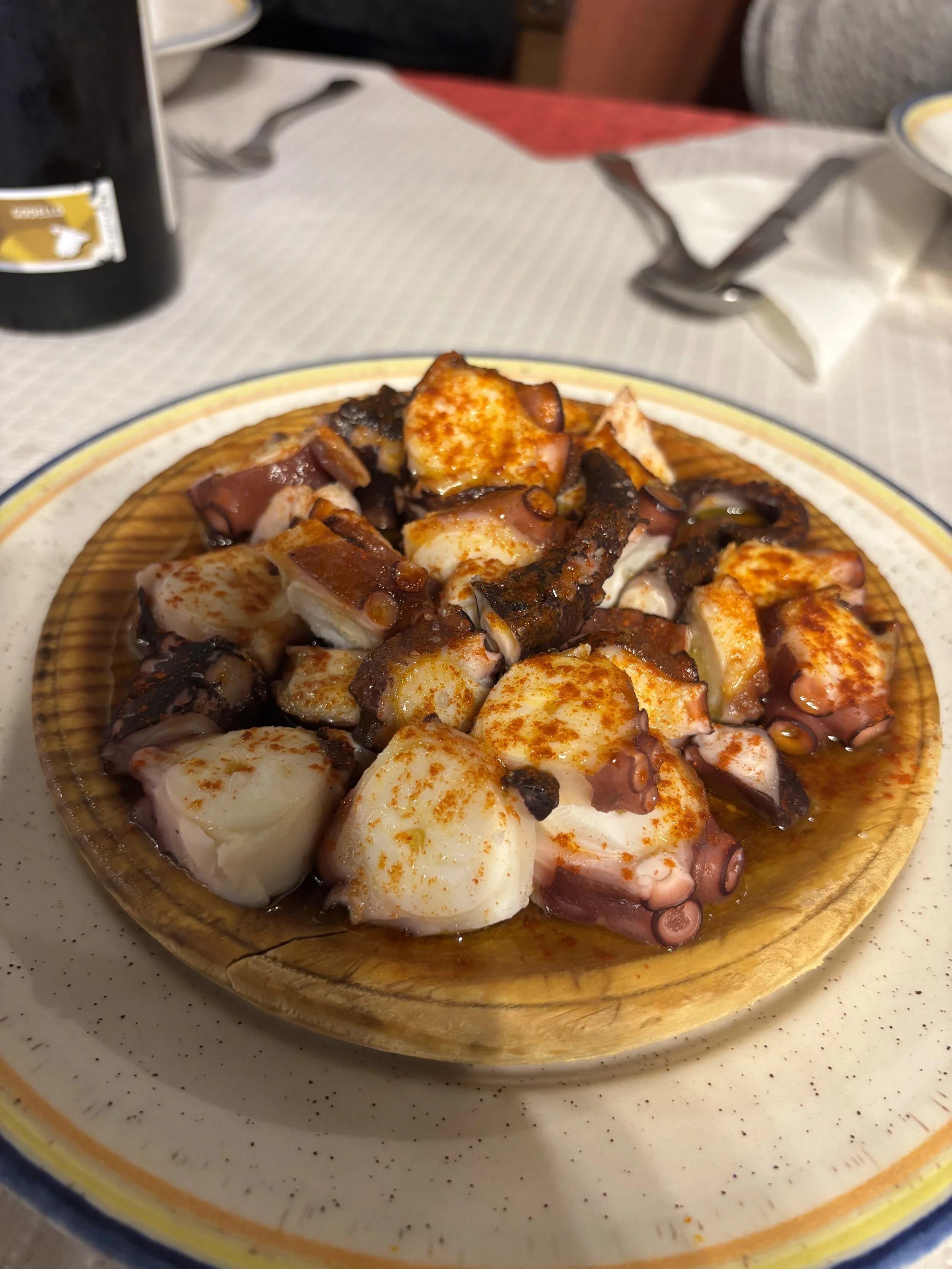
“A trip that will remain in the memory for years to come, that is what I kept thinking as I made the long journey home from Bierzo to Catalonia. What a privilege, I thought, to be able to spend time in the company of Verónica and Nacho, two vignerons at the top of their game, sharing their know-how and the results of their craft. And how fitting that these visits were followed by an opportunity to drink their wines in two local restaurants—Mesón Don Nacho and La Puerta del Perdón—that offer nothing less than a celebration of Bierzo—its food, its wine and the hospitality of its people.” Alan Nance
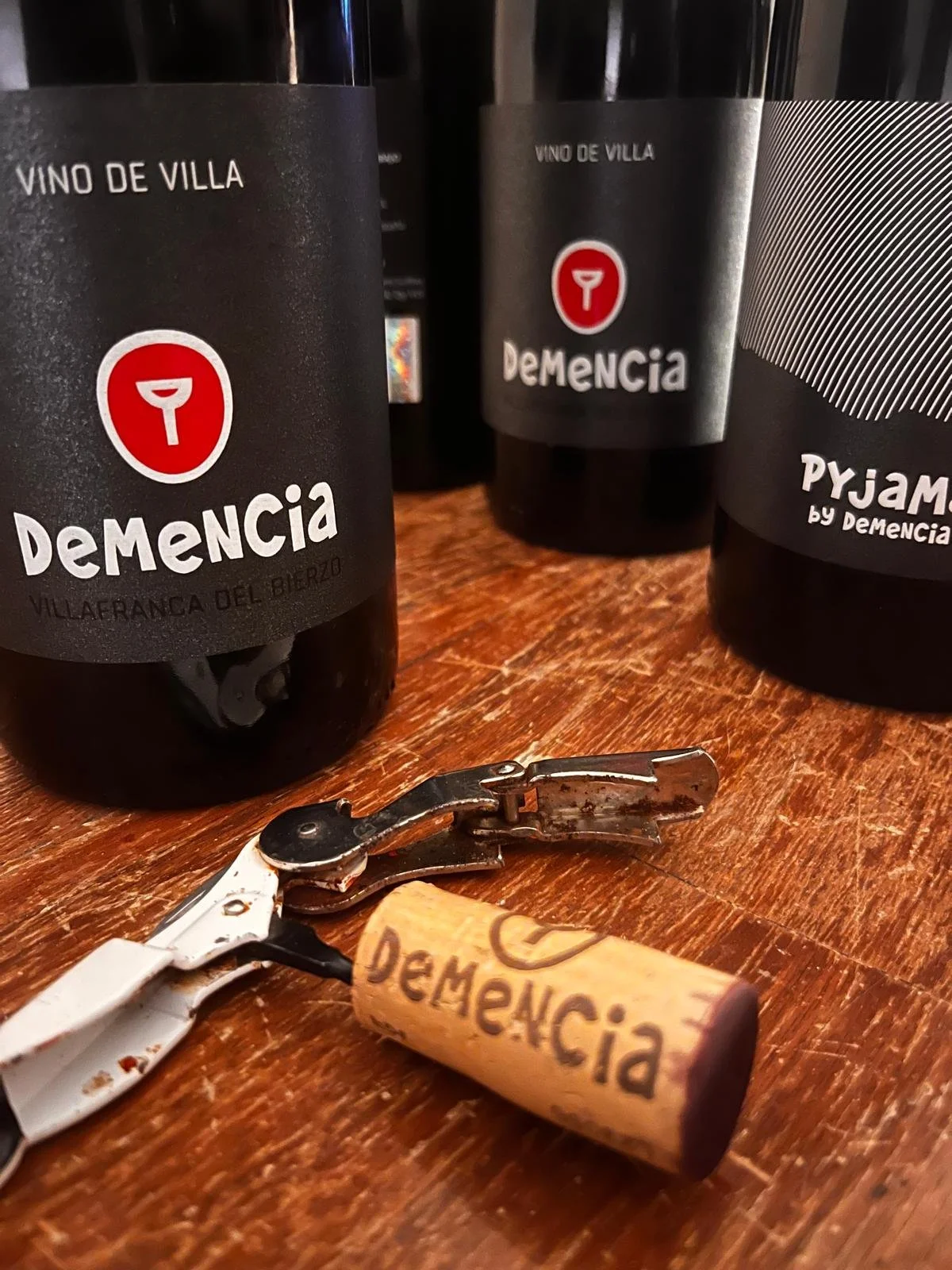
“I found our El Bierzo experience magical. The generosity and hospitality of both Verónica and Nacho is what the wine world is all about. It's not about technical details and overly complicated pairings, but about coming together and sharing wine with conversation. The same spirit extends into the food of the area. The quality of the meat and conviviality of the people knows no bounds. Also, being deep Spain, it's not without its quirks either, with local characters providing plenty of colour!
“The one thing that stuck out for me was how deeply personal both projects were. There's a genuine connection with the land, with the wines showing a finesse and purity due to the space they'd been given. If you haven't been, put El Bierzo on your list!” Chris Lynch
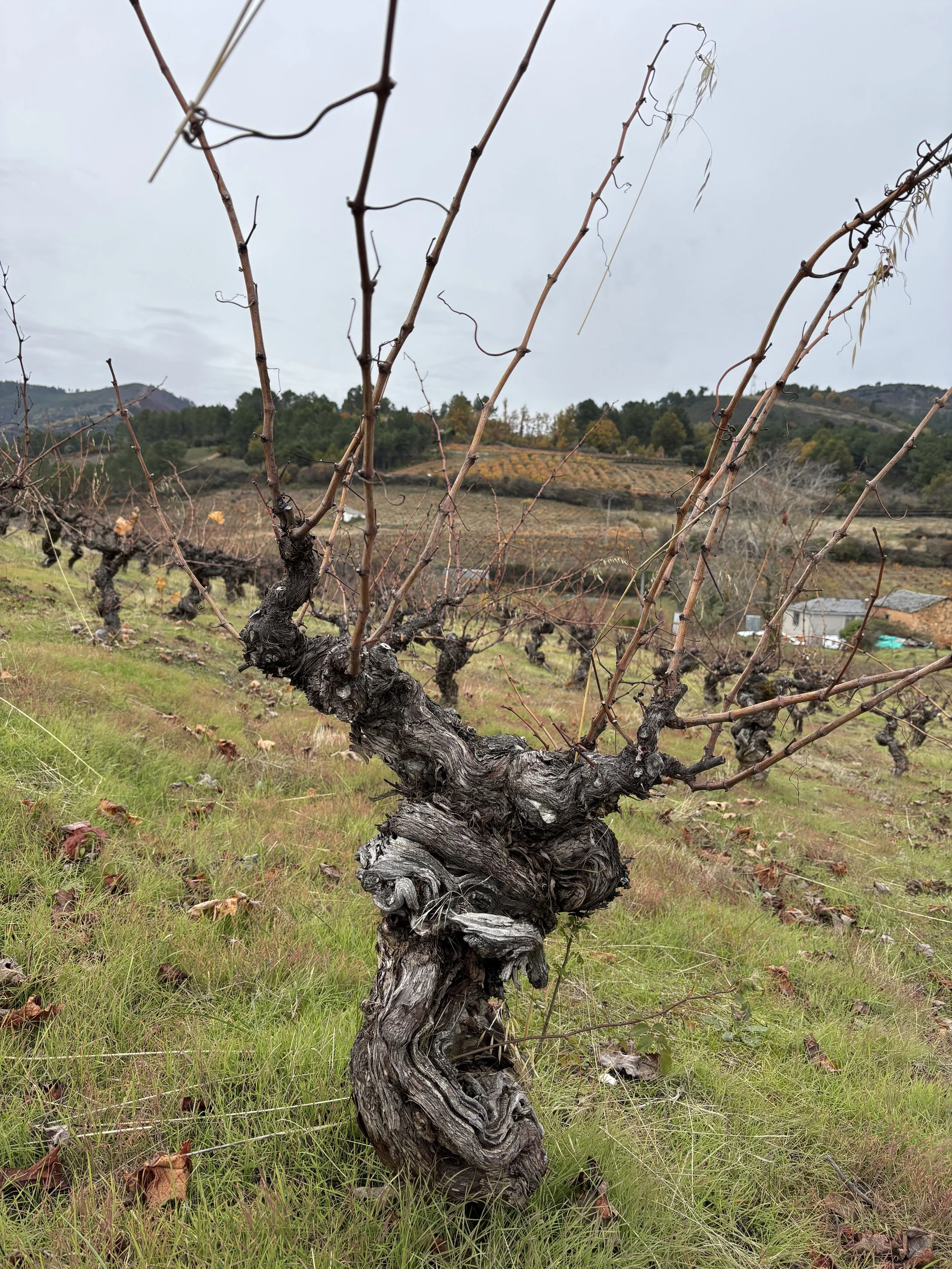
“What I’ll remember most from this trip is the warmth of the people who welcomed us. Listening to Verónica and Nacho speak about their land and vines with such sincerity, and tasting wines that seemed inseparable from the stories behind them, made Bierzo feel less like a region and more like a community we had been invited into.
“Standing amid Nacho's ancient vines, I was reminded once again how soil, sun and the vine’s yearly growth cycle come together to create something sublime in the glass. The trip deepened my respect for winegrowers and the extraordinary gift they share with us.” Bill Bolloten