The Wines of Central and Southern Spain: From Catalunya to Cádiz by Sarah Jane Evans
Bill Bolloten reviews Sarah Jane Evans’ comprehensive guide for Spanish wine lovers and travellers
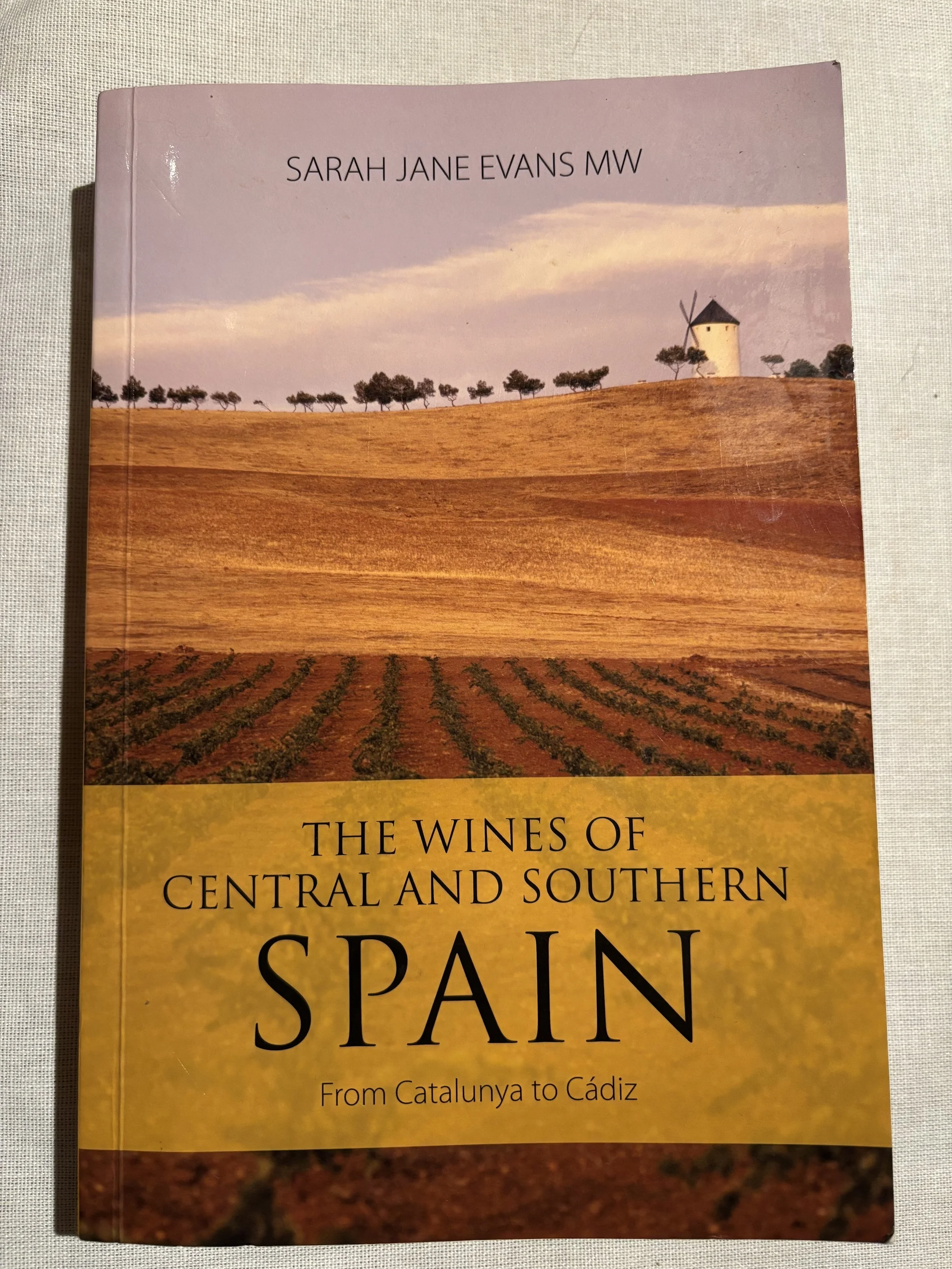
The Wines of Central and Southern Spain: From Catalunya to Cádiz by Sarah Jane Evans MW
Published by Académie du Vin Library (2025)
368 pages
Price: €41.95
Available from Académie du Vin Library
eBook edition also available for €11.95
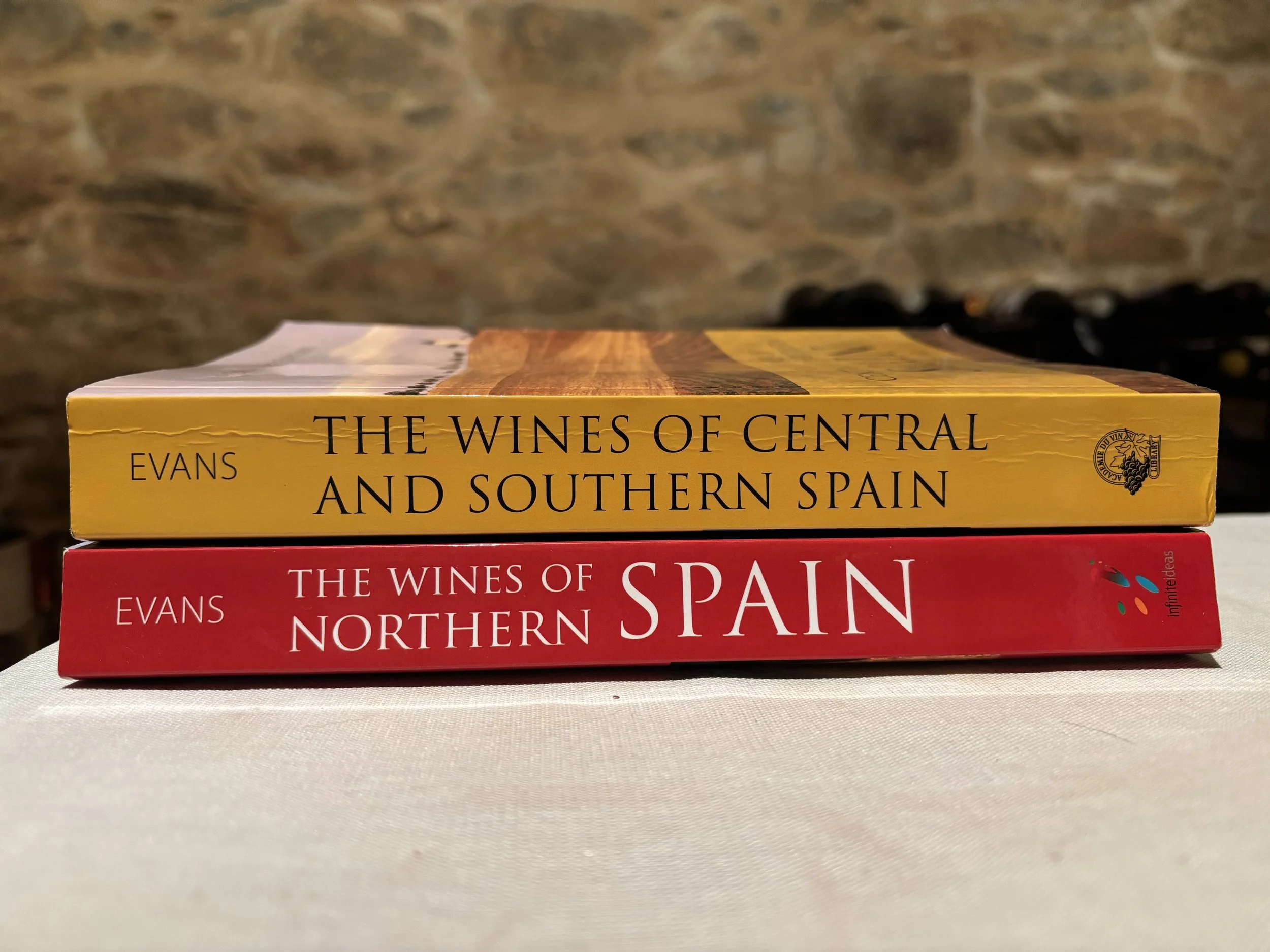
Sarah Jane Evans has written an essential companion volume to her earlier work, The Wines of Northern Spain: From Galicia to the Pyrenees and Rioja to the Basque Country (2018).
The book opens with a bold claim: that Spain is the most exciting country in Europe for wine, and one of the most exciting in the world. This rests not only on the growing diversity of Spanish wines, but also their rise in quality.
She goes on to explain that her inspiration for writing the book was that “viewed from outside Spain, it can seem that Spanish wine is ‘only’ Rioja, Ribera del Duero, Rías Baixas, plus Sherry and Cava.” And one might add that even within Spain, the story is frequently narrowed to the “three Rs”: Rioja, Ribera and Rueda.
Bringing to the project the authority of a Master of Wine, she combines expertise with the insights of someone who has travelled extensively through the regions she describes, illuminating a far broader and more nuanced landscape of Spanish wine.
“Spain’s vibrant wine life,” she writes, “is embedded in what has gone before, enabling the wines to speak with originality.”
Beginning with an overview of Catalunya, the book then moves into the heartlands of Madrid and La Mancha, before returning to the Mediterranean shores of the Levante and continuing south to Andalucía. There are dedicated chapters on the Canary and Balearic islands, as well as an in-depth examination of Spain’s sparkling wines, a category that has become, in her words, “so vibrant, and at the same time so divided.”
Each chapter explores the region’s history, soil types, current viticultural trends and key grape varieties, and, most valuably, offers profiles of leading producers, highlighting “the ought-to-know and the good-to-know.” Boxed summaries provide a quick reference to the key characteristics of each DO.
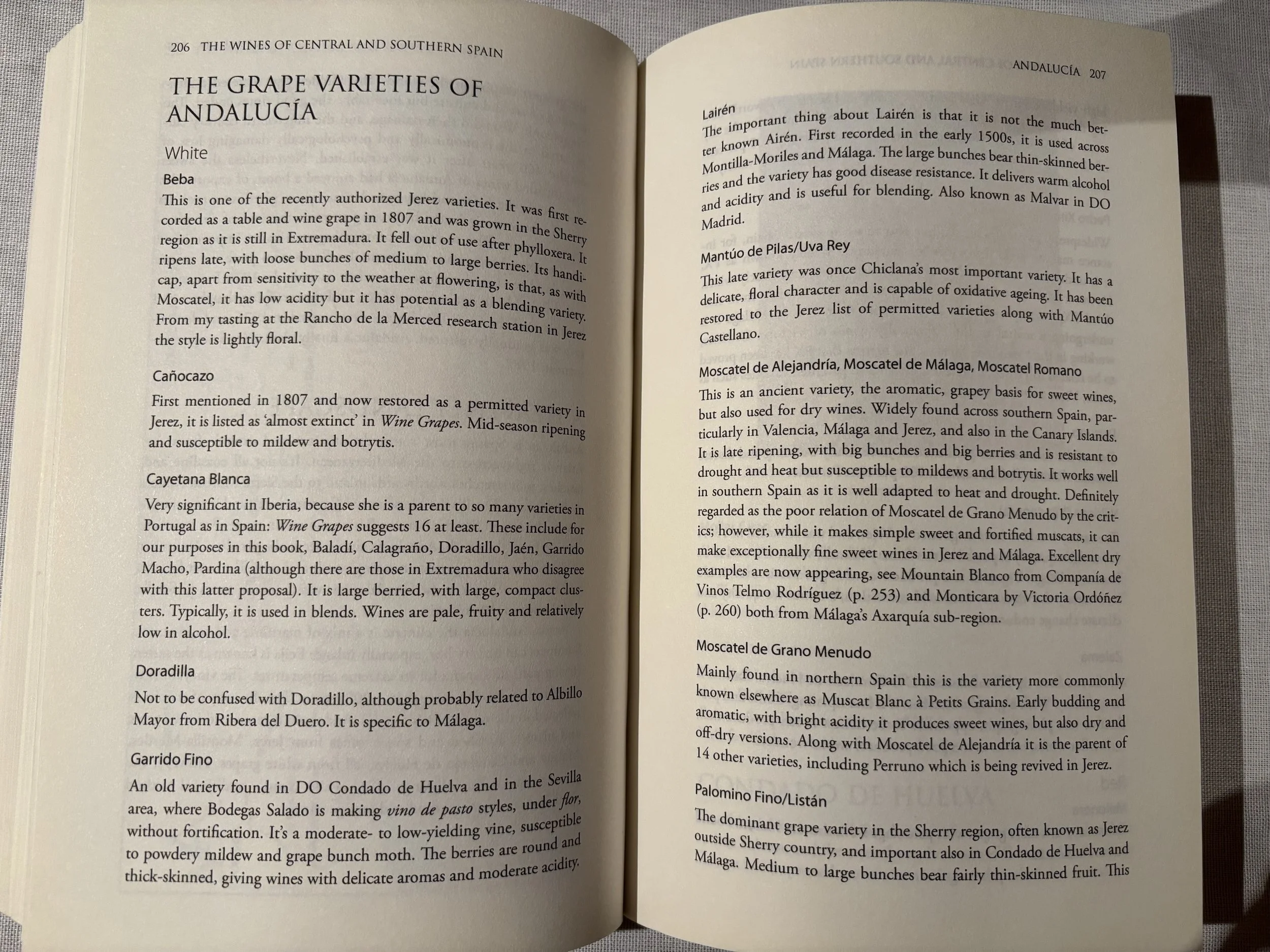
Among the book’s connecting themes is the resurgence of forgotten indigenous grapes, such as Giró, Listán Negro, Mandó, Malvasía de Sitges and Sumoll, alongside a return to traditional, yet newly reimagined ageing vessels, notably amphorae. It also charts the rise of growers committed to regenerative agriculture, set against the intensifying challenges of climate change.
There is an admirable commitment to covering regions often overlooked in writing on the wines of Spain. Extremadura, for example, is given serious attention, possibly for the first time, as it seeks to move beyond bulk wine production and realise its potential. Likewise, regions undergoing transformation and innovation, such as Montilla-Moriles, receive thorough coverage.
Attention is also given to Spain’s lesser-known regional treasures, including Alicante’s historic Fondillón, and the Vino Naranja of the Condado de Huelva (a traditional amber-coloured wine made by macerating bitter orange peels in grape spirit and ageing it in oak barrels).
The author’s enthusiasm for visiting vineyards is palpable, as is her ability to convey the character and individuality of each winemaker she portrays.
She also shares my fondness for reading Richard Ford’s A Handbook for Travellers in Spain (1845) before visiting wine regions—the inclusion of his opinionated and often caustic observations on topography, manners and gastronomy provide an entertaining backdrop to her narrative.
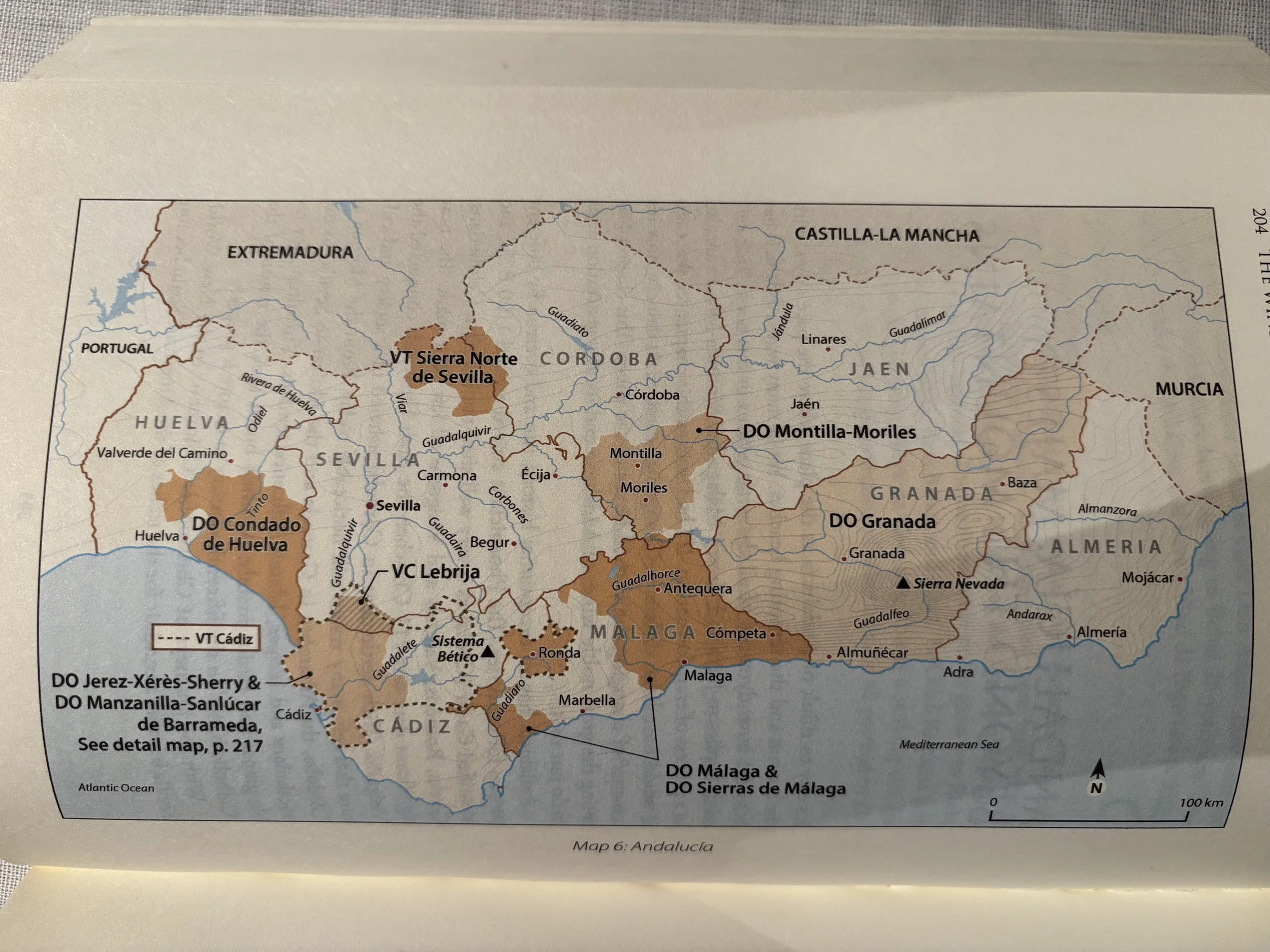
The book is illustrated with photographs of vineyards, bodegas and winemakers, alongside full-colour maps that are clear and beautifully drawn. This represents a marked improvement over earlier Académie du Vin Library publications, which relied solely on black-and-white maps.
This is a book that will serve both as a reference for years to come, and as an indispensable guide for anyone planning to explore Spain’s diverse wine regions in person.