Bob Dylan, Galicia and the search for dignity in Rías Baixas
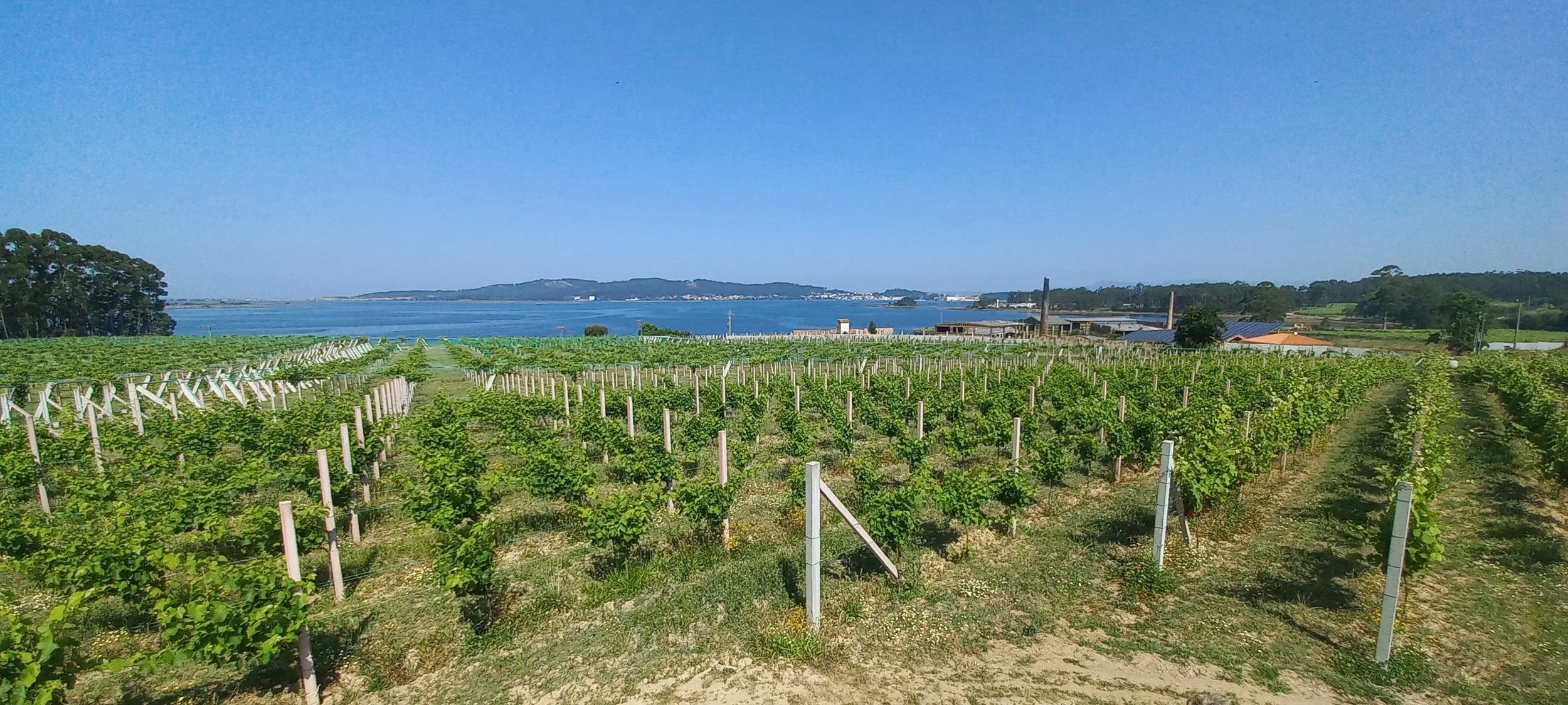
Bob Dylan sang of dignity. In Rías Baixas, restoring it means separating persistent myth from the people who truly built the region.
Bob Dylan has written about searching for dignity and the human cost of living in a world full of lies. In Val do Salnés, those two ideas feel uncomfortably close. For more than forty years, one of Galicia and Spain’s greatest wine regions has carried a myth that has refused to die.
For decades, people have repeated the story that much of the Albariño boom was built with money from tobacco smuggling and the drug cartels of the 1980s. Ask around, and you’ll hear the figure of 50%, 80% or maybe every winery with a decent building
It’s a great story, but it just doesn’t stand up to scrutiny.
Like many good myths, it’s based on a grain of truth. Yes, some of these capos bought vineyards or wineries. Nobody sensible denies that. But turning a couple of notorious cases into the accepted history of Rías Baixas does a profound disservice to the hundreds of ordinary families whose hard work gave the denomination its reputation—and whose dignity deserves to be restored.
Start with the land
The first problem with the theory is Galicia itself. The countryside is divided into minifundios: thousands upon thousands of tiny plots, many of them owned by different branches of the same family. This isn’t Bordeaux or Napa, where somebody can quietly buy a vast estate. Assembling enough land for a commercial vineyard in O Salnés has always meant dealing with countless small landowners.
The real driving force behind the region wasn’t wealthy investors, it was the cooperatives. Namely, Martín Códax and Condes de Albarei—hundreds of growers pooling their grapes, their savings and their faith in Albariño. That’s hardly the ideal vehicle for laundering fortunes anywhere in the world. Every kilo of grapes was recorded. Every grower was identified. There were simply too many eyes on the process.
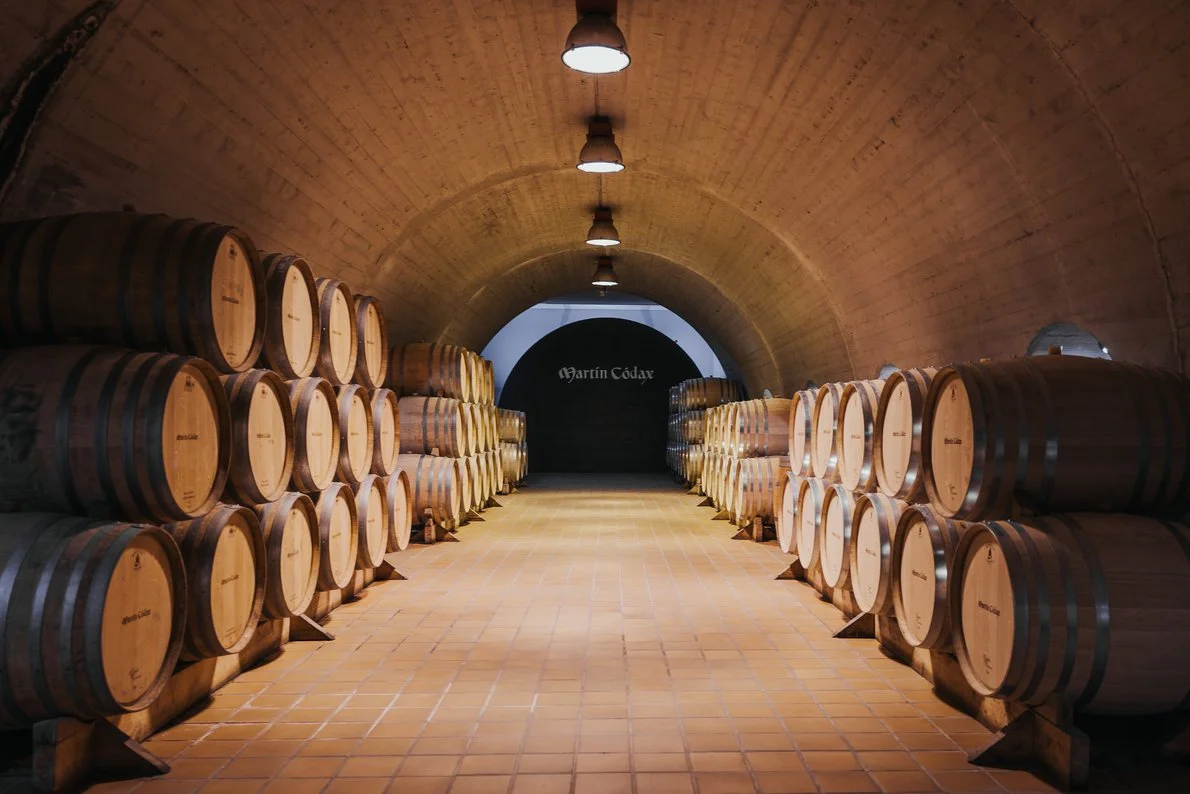
Bodegas Martín Códax
Then Europe arrived
The next chapter came with Spain’s entry into the European Economic Community in 1986.
The modernisation of Rías Baixas wasn’t financed by mysterious suitcases full of cash. Much of it was supported by European funding and public grants. That money came with inspections, invoices, audits and enough bureaucracy to test anyone’s patience. It’s difficult to launder money when every euro has to be accounted for.
Yes, there were criminals
None of this means organised crime had no presence in the region
The most frequently cited example is a historic estate that fell into the hands of a drug smuggler during the 1980s. Nobody disputes that a small number of criminals bought vineyards or wineries to acquire respectability. What’s more interesting is what happened afterwards.
When the authorities eventually confiscated the estate, it was sold at public auction in 2008. In the end, it wasn’t an international drinks company that won, it was the growers of Condes de Albarei cooperative who brought it back into local hands. Today, a proportion of the profits from the Pazo Baión line helps fund drug rehabilitation projects. It’s a small but powerful reminder that one of Galicia’s darkest stories has been given a very different ending. That ending rarely gets told.
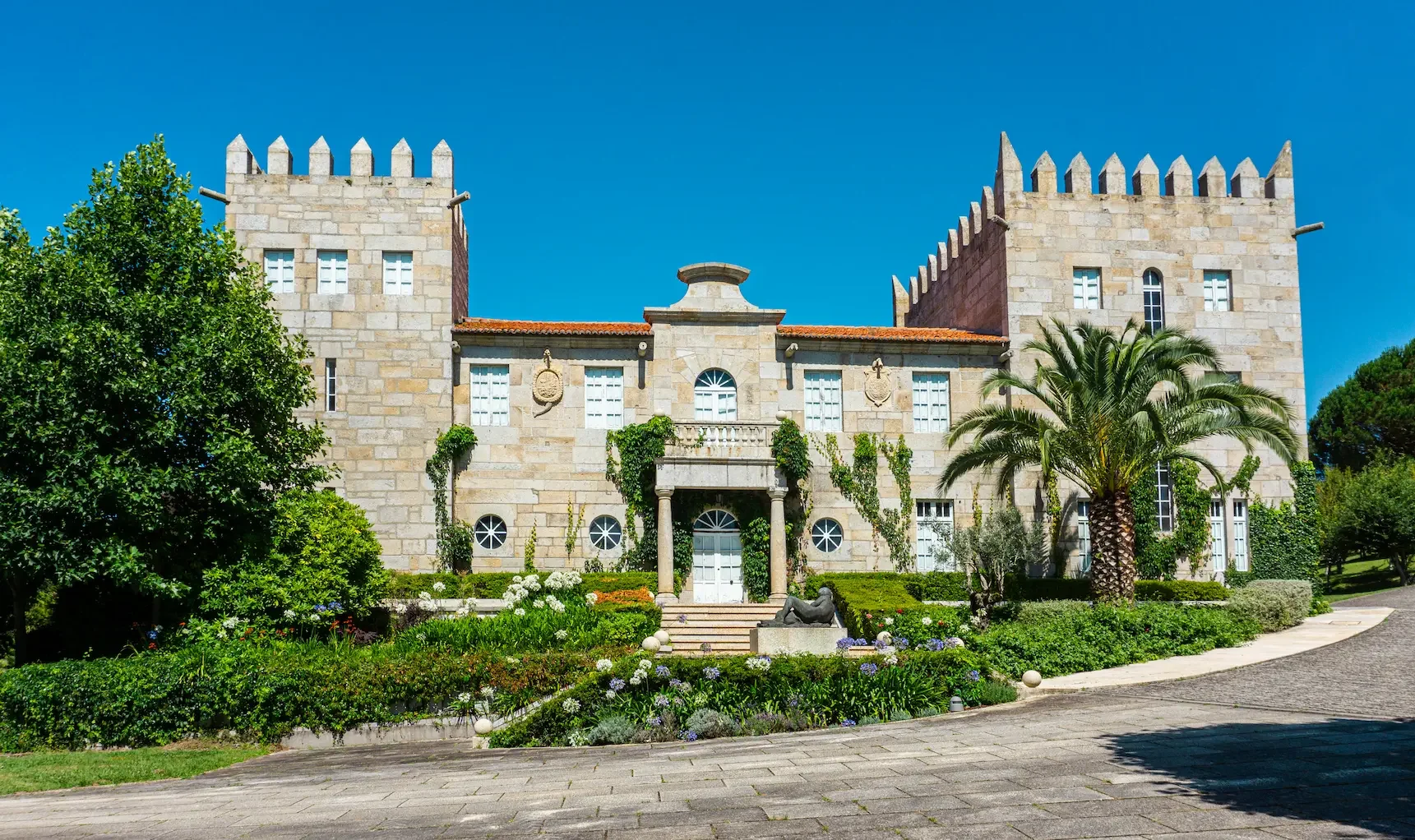
Bodega Pazo Baión
Reputation matters
Legends have a habit of outliving the facts. More than forty years after the heyday of tobacco smuggling and the arrival of cocaine on Galicia’s coast, the old stories still surface whenever Rías Baixas towns like Vilanova de Arousa and Cambados are mentioned. They’re entertaining (for some), easy to repeat and difficult to kill. The problem is that they distract from the real story—and, in doing so, deny generations of growers the recognition and dignity they have earned. The people who built modern Rías Baixas weren’t criminals. They were growers, cooperatives and families who simply got on with making better wine. They believed their native grape deserved a place on the world stage and embraced modern viticulture without losing sight of their traditions.
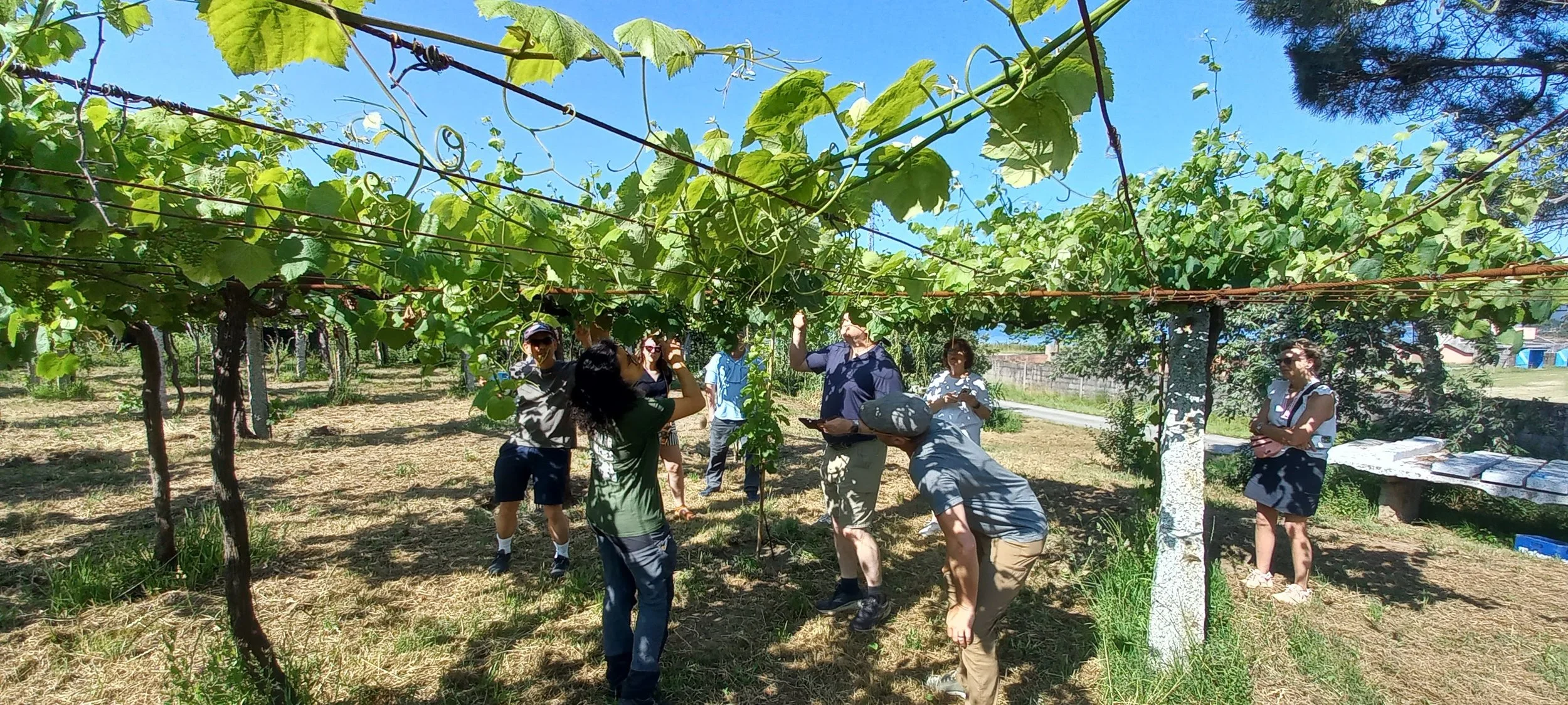
Guests exploring the traditional pergola-trained vineyards of Xurxo Alba (Albamar), one of the leading winemakers of the Salnés Valley. It is in vineyards like these that Albariño’s modern reputation was forged.
What really built Rías Baixas
Albariño didn’t conquer restaurant wine lists in London, New York and Tokyo because of money from the underworld. It got there because generations of growers learned to work with granite soils, Atlantic weather and one of Europe’s most demanding wine-growing climates.
The cooperatives deserve considerable credit, as does the D.O. Rías Baixas itself. But for me, the region’s greatest ambassadors are the remarkable band of small, family-run producers whose wines quietly earn places on the tables of some of the world’s finest restaurants, vintage after vintage.
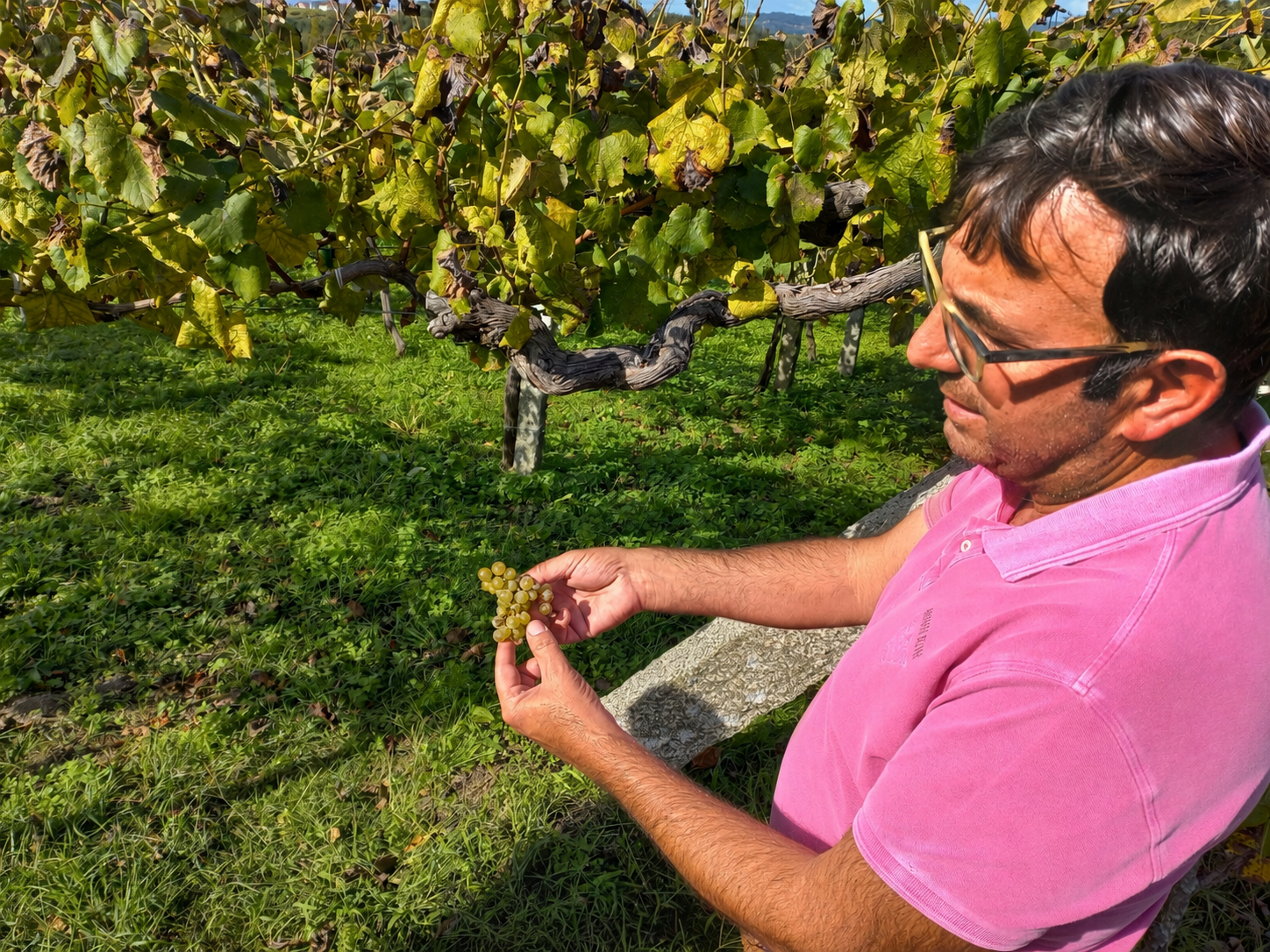
Eulogio Pomares (Bodega Zárate) examining Albariño in the family’s historic vineyard in O Salnés. Producers like him—and hundreds of other Galician growers—have built the international reputation of Rías Baixas one vintage at a time.
A winery can be built in a few years. A reputation takes decades.
I’ve had the privilege of spending years introducing visitors to this corner of Galicia and, more importantly, to the people behind its wines. The more time I’ve spent here, the more convinced I’ve become that Rías Baixas earned its place in the world of wine the old-fashioned way: by putting outstanding Albariño in the bottle, vintage after vintage.
This article isn’t an attempt to rewrite history. It’s simply an attempt to restore a little dignity to a story that has too often been told the wrong way. Perhaps it’s time people stopped repeating the old yarn and started celebrating the people who really built Rías Baixas.
They have earned that dignity.