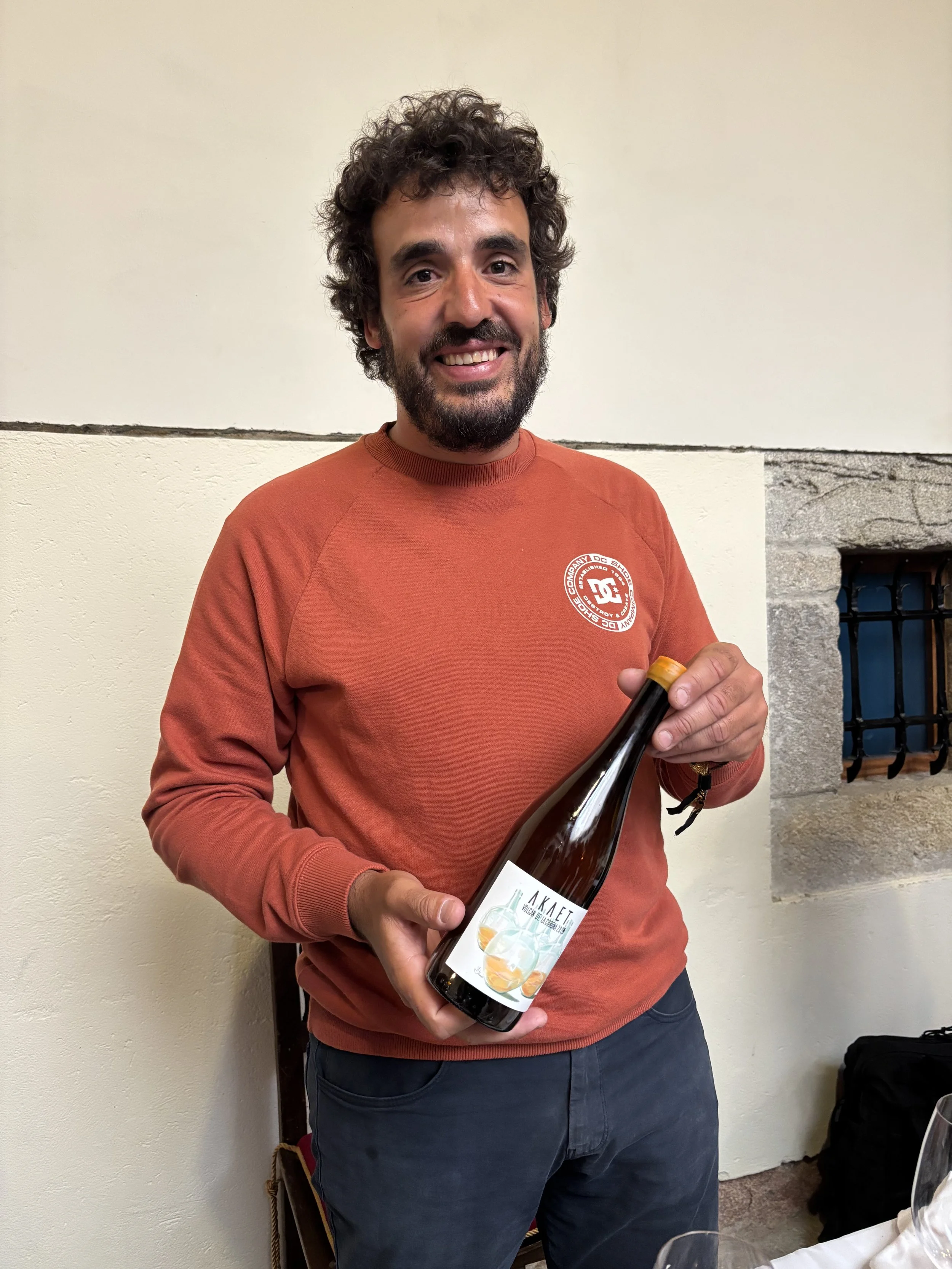
Galicia Wine Taste 2026: Seven standout wines
Bill Bolloten returns to Galicia Wine Taste and uncovers seven compelling wines
After the memorable first edition of Galicia Wine Taste in 2025, I returned to Santiago de Compostela with eager anticipation for what the second might bring.
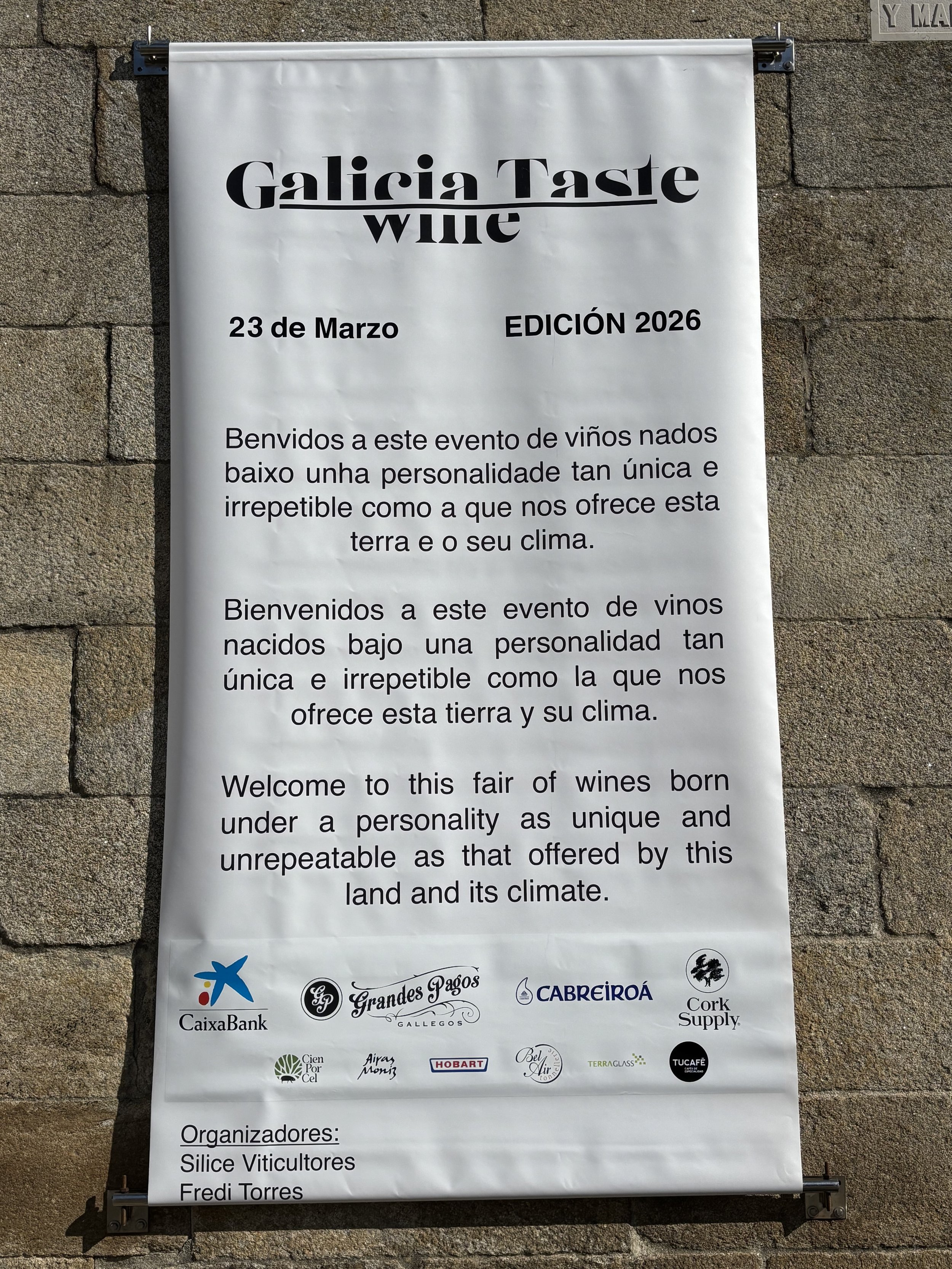
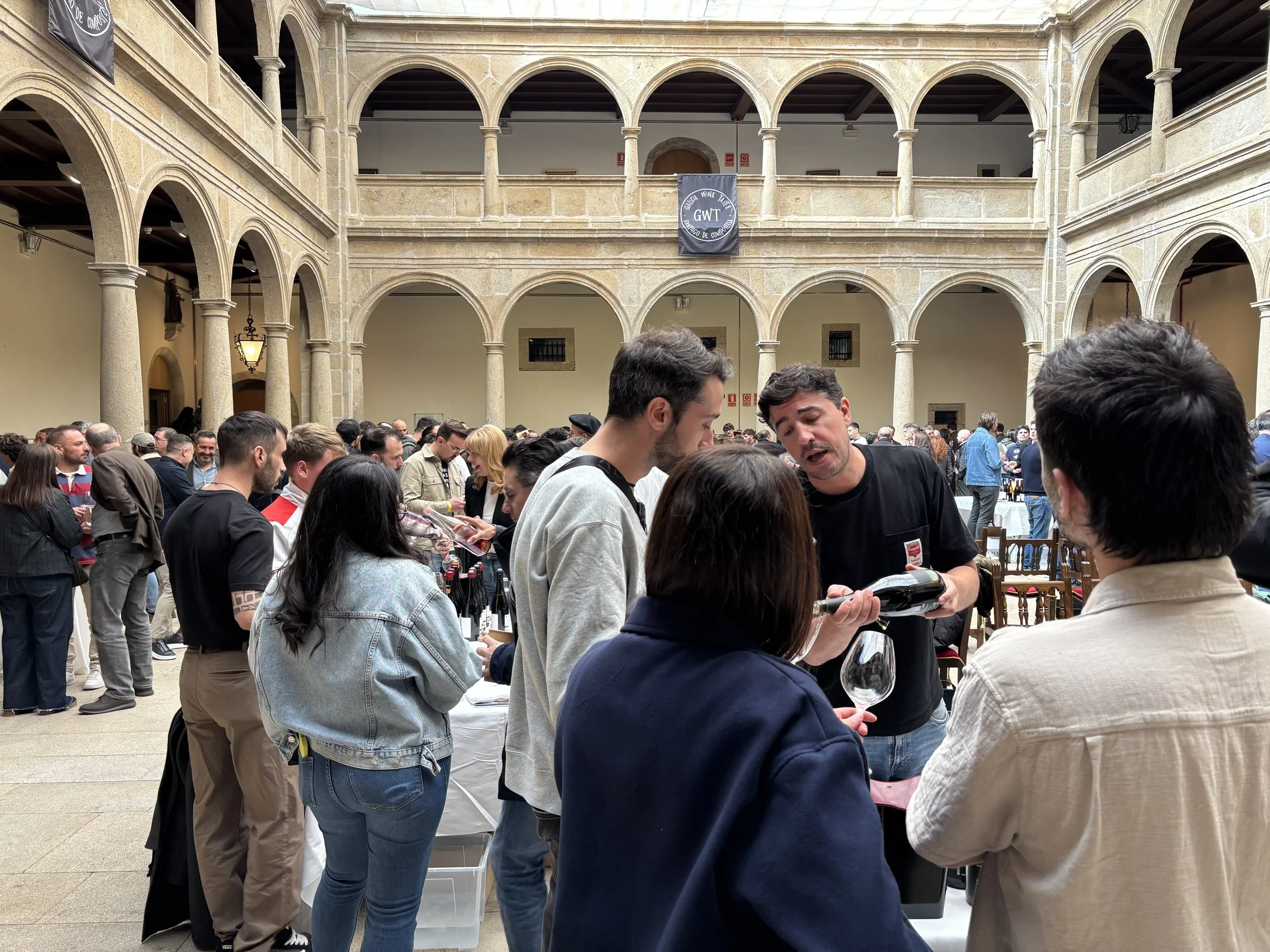
Organised by Silice Viticultores and Fredi Torres, the event was held once again in the cloister of the Hotel Monumento San Francisco.
Galicia Wine Taste 2026 brought together 67 of the most exciting wine projects from Galicia and Bierzo, alongside a smaller selection of standout producers from other regions of Spain and Portugal.
Within the cloister’s atmospheric setting, the vibe was open and welcoming. More than just a tasting session, it brought together established names while giving a platform to emerging winemakers and projects redefining the region’s identity.
Seven wines captured my attention, and here’s why.
Mixtura Green 2021, Mixtura Independent Wines
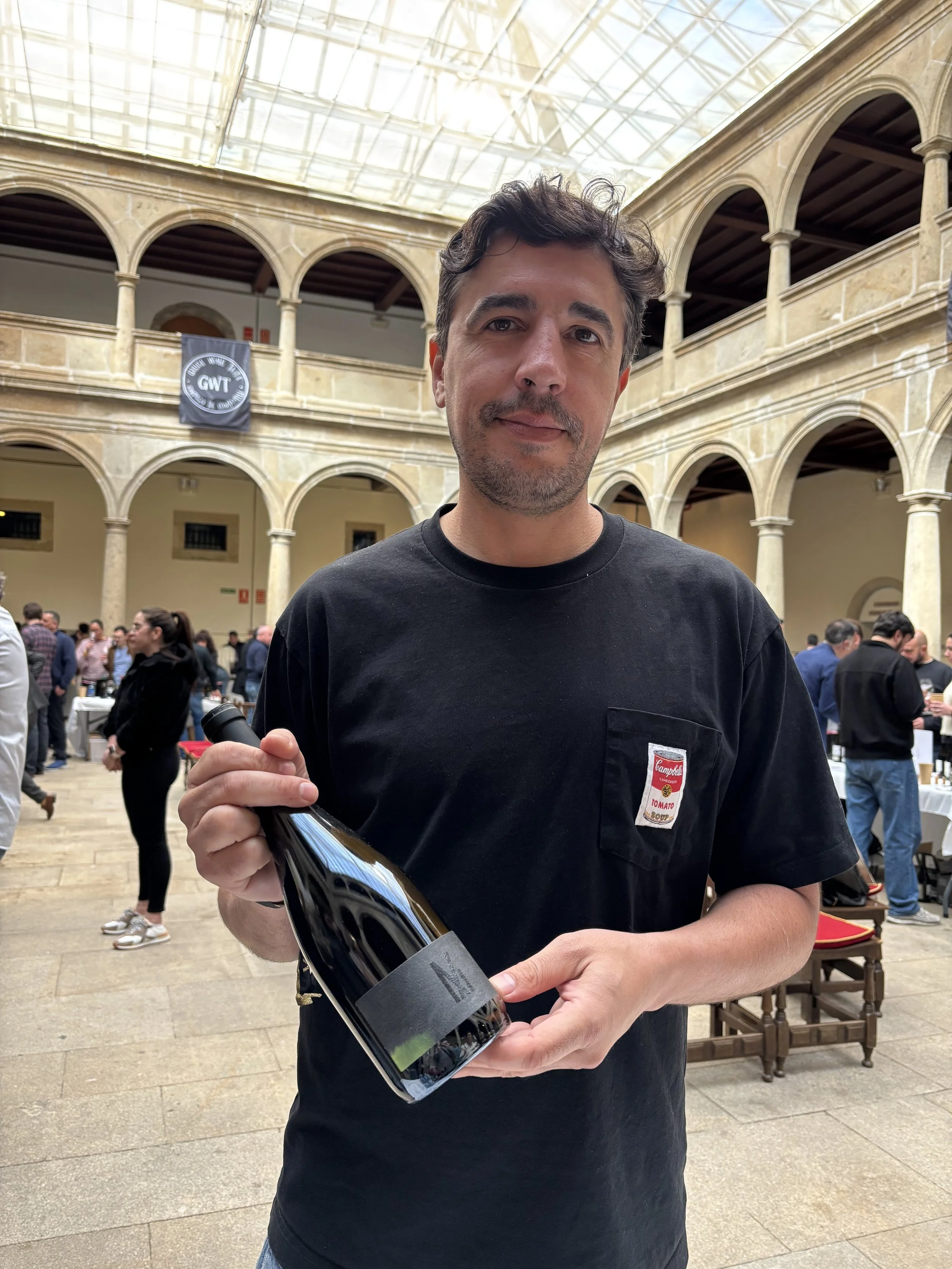
Mixtura Independent Wines is a project founded by winemaker Gutier Seijo, dedicated to crafting authentic, terroir-driven wines that express the character of old vineyards and native grape varieties. It also focuses on revitalising historic vineyards in Galicia and across the Miño River in northern Portugal.
Mixtura Green is an Albariño sourced from a certified organic vineyard planted on sandy, decomposed granite soils in the Melgaço region of Portugal. It is fermented with indigenous yeasts in a 2,450-litre Stockinger foudre and aged on its lees in the same cask, followed by a year in concrete and an additional year in bottle.
On the nose, it offers bright aromas of citrus peel and fresh herbs. The palate is crisp, precise and energetic, with remarkable tension, concentration and depth. A serious wine of real complexity.
Resistance, Mission Wine
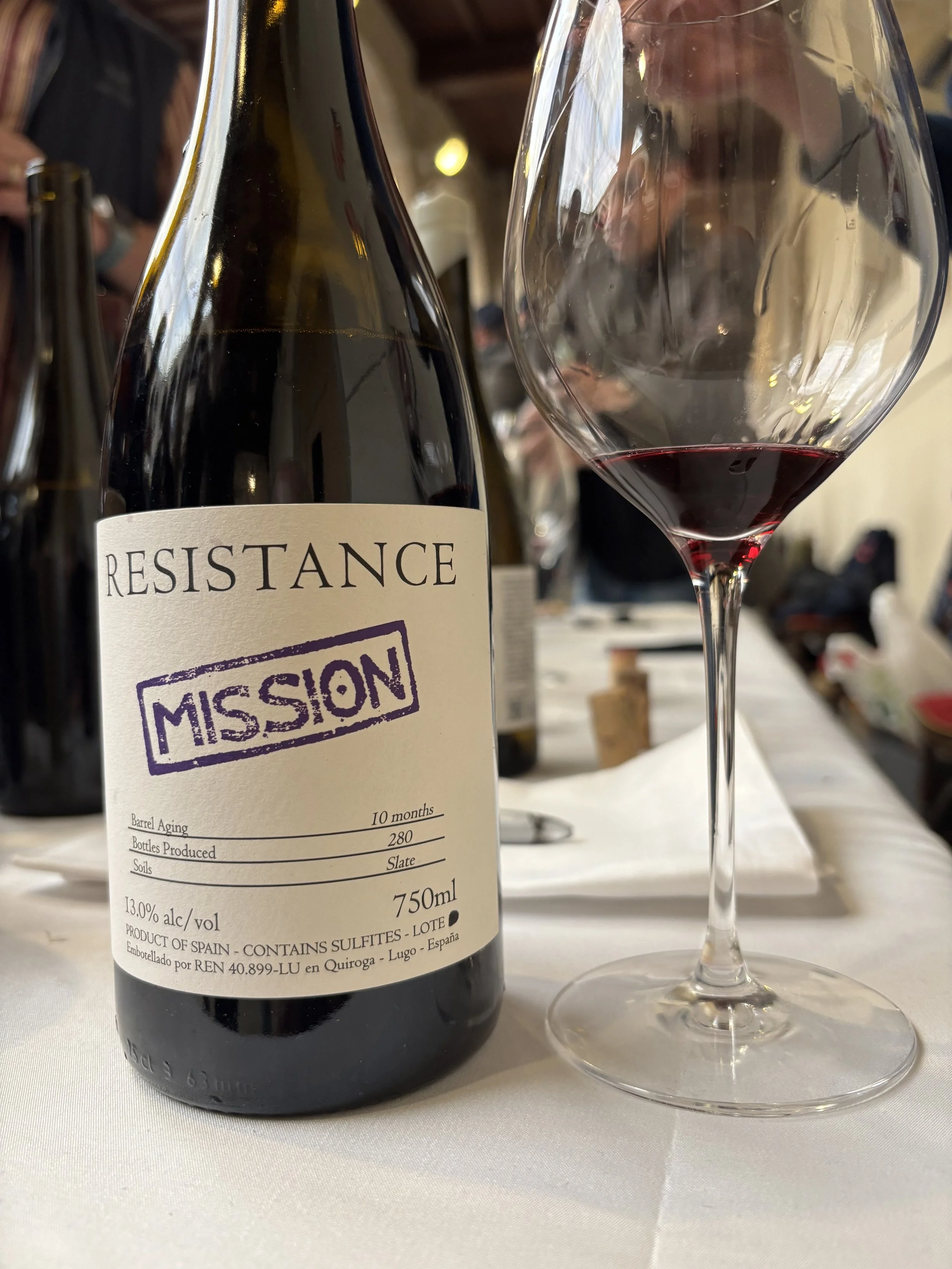
San Francisco Bay Area native Zak Elfman arrived in the Chantada area of Ribeira Sacra in 2015 to pursue winemaking.
“My philosophy,” said Zak, “is to make the best wines I can from the most interesting terroirs.”
In his micro-winery, he follows a minimal-intervention approach, relying on manual techniques such as foot-stomping grapes and avoiding chemical additives, apart from a minimal use of sulfur for stability.
I tasted the entire range, but the Resistance especially caught my attention. Made from 100% Syrah grapes from a vineyard on the slate slopes of the Quiroga valley overlooking the river Sil, it was fresh, tangy and lithe, with a distinct Northern Rhône feel.
You can read more about Zak in an interview we published in 2002.
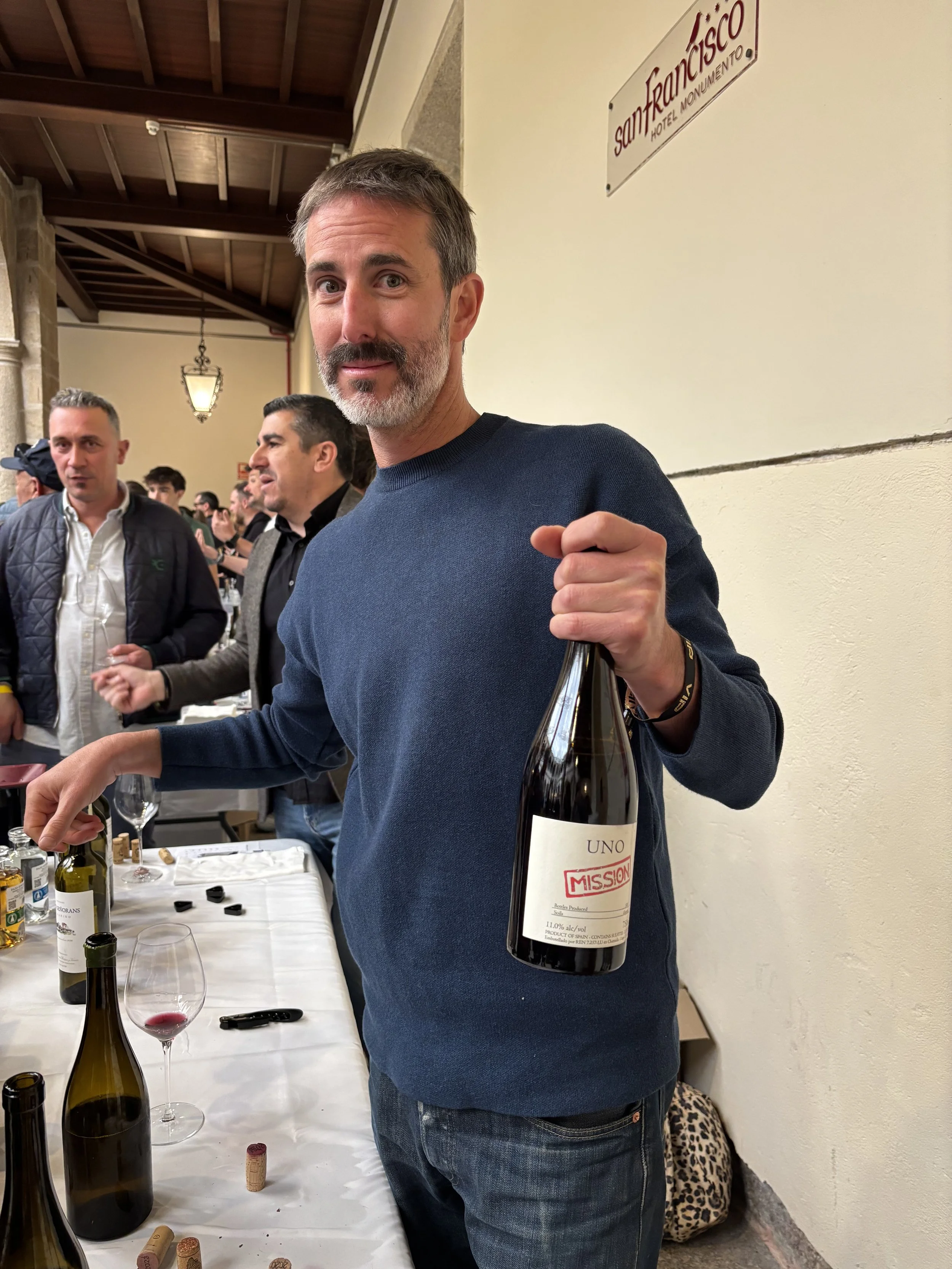
Ceibe Castes Tintas 2023, Bernardo Estévez and Xico de Mandín
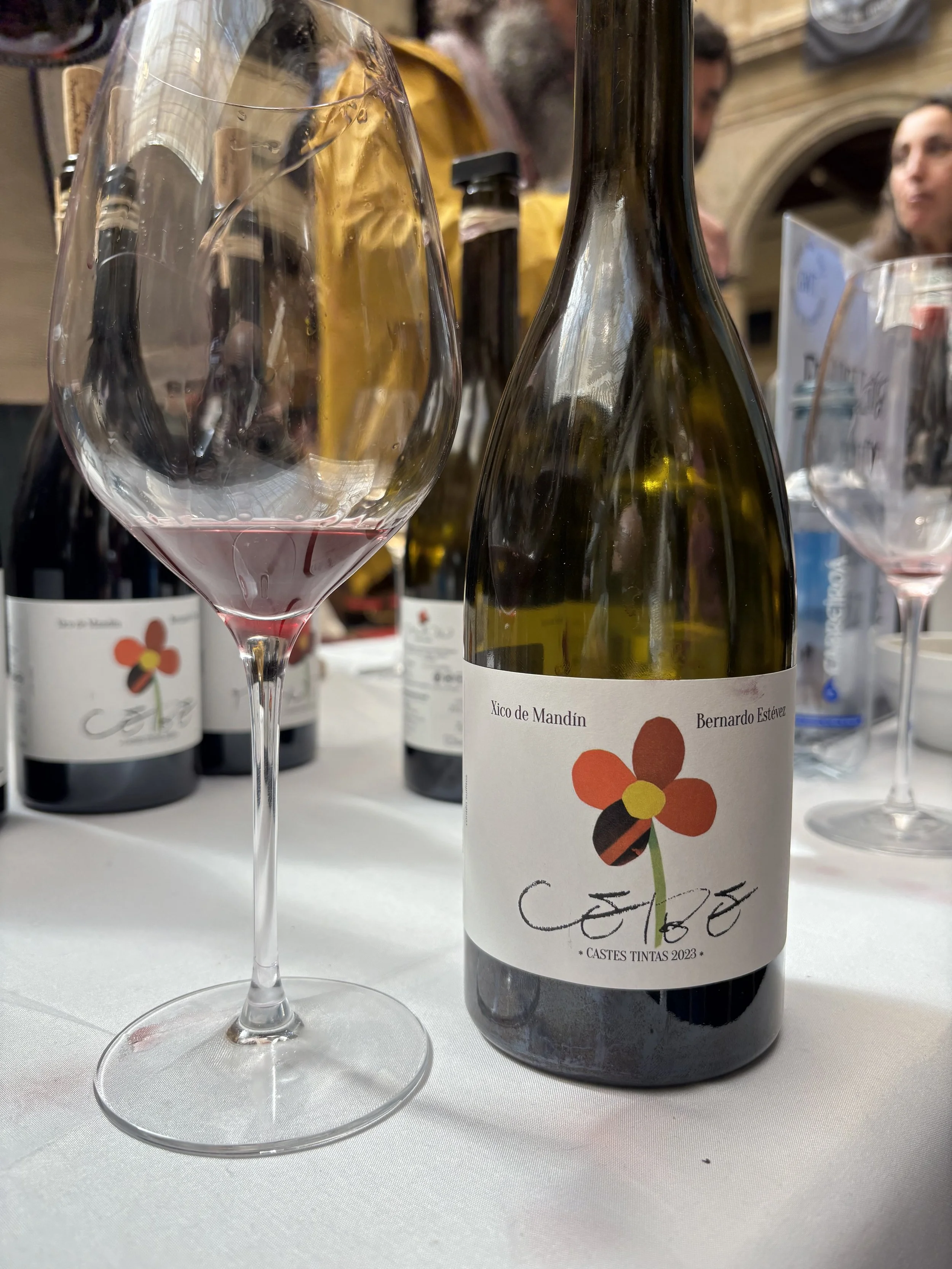
Bernardo Estévez’s wines reflect his reputation as a pioneer of regenerative viticulture, permaculture and minimal intervention. His guiding principle is simple yet profound: to make wines that truly express the soil.
The Ceibe Castes Tintas, a collaboration with Xico de Mandín, is a field blend of Caiño Longo, Merenzao, Sousón and Tinta Amarela. On the nose, it offered a layered bouquet of fresh red fruits, while the palate conveyed a purity and energy that underscored its authentic terroir-driven character. A wine to nourish body and soul.
Caveiral Albariño 2022, Bodega Caveiral
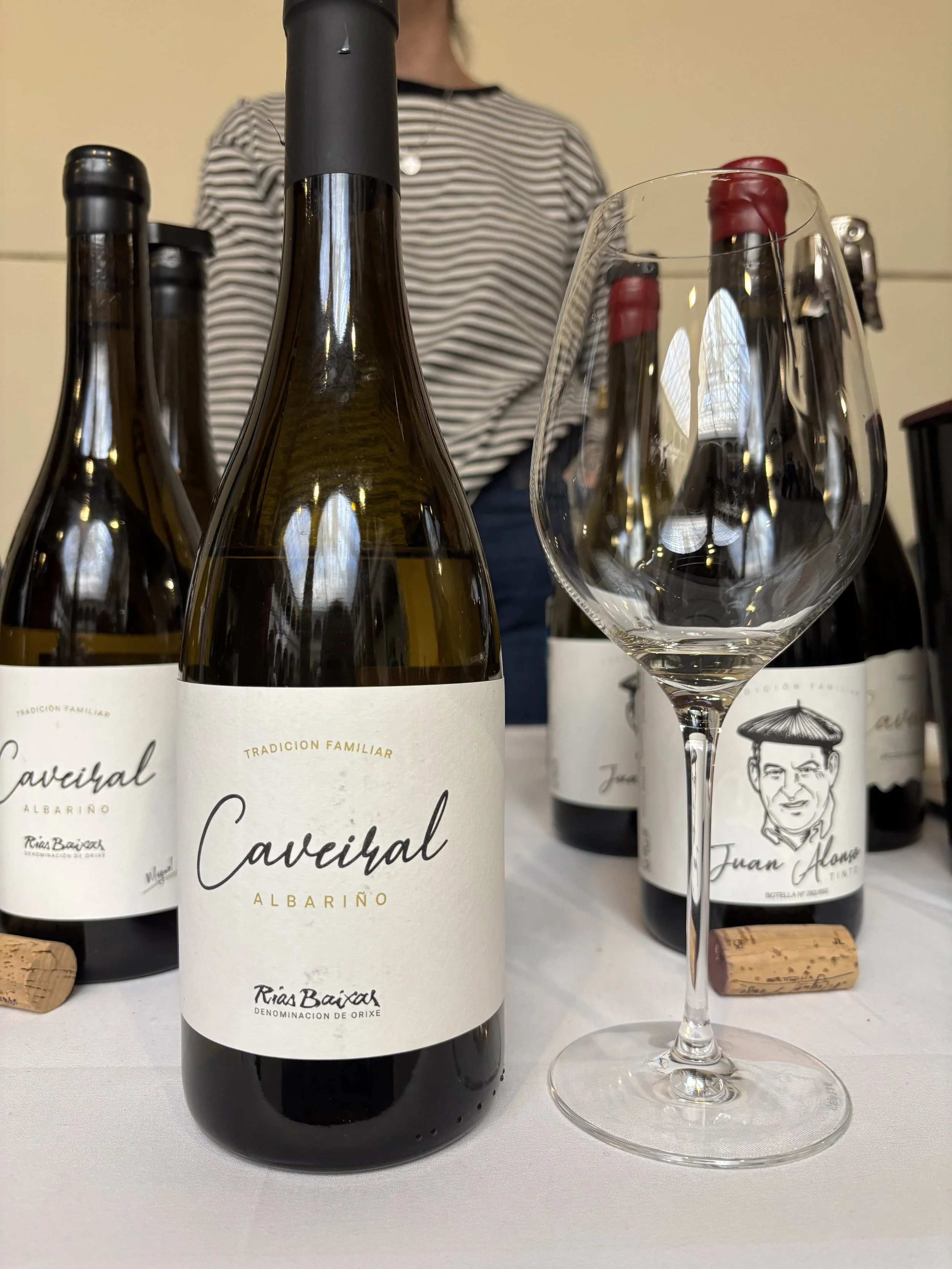
Miguel Alonso Fernández represents the third generation of a family of growers in Arbo, in the Condado do Tea subzone of Rías Baixas. The winery, originally founded by his grandfather in the 1950s, remains a family-run project today. It works with just four hectares of vineyards, spread across 18 small plots, reflecting a deep-rooted connection to the land and a focus on small-scale viticulture.
Miguel explained that the Albariño expresses the identity of their highest parcel, characterised by its sandy, decomposed granite soils known locally as xabre. “The vintage,” said Miguel, “was marked by higher-than-average temperatures and lower rainfall.”
Straw yellow in colour, it offered aromas of stone fruit and citrus. The palate was precise and textured, with a long, unctuous and slightly bitter finish.
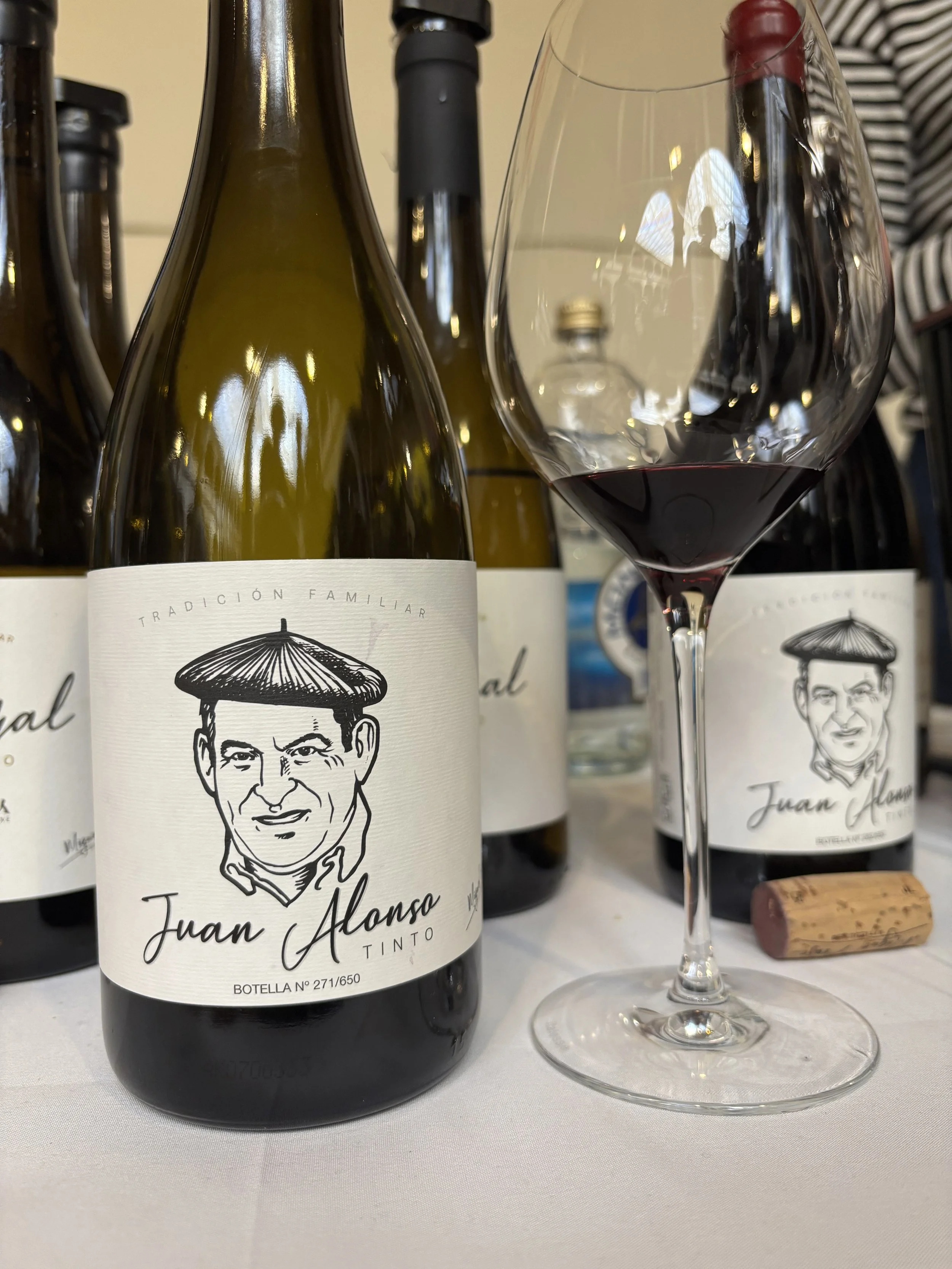
I was also impressed by the Juan Alonso 2024, a red crafted from a co-fermentation of Mencía, Caiño Tinto, Sousón and Espadeiro. It was perfumed and spicy, bursting with vibrant, savoury berry flavours.
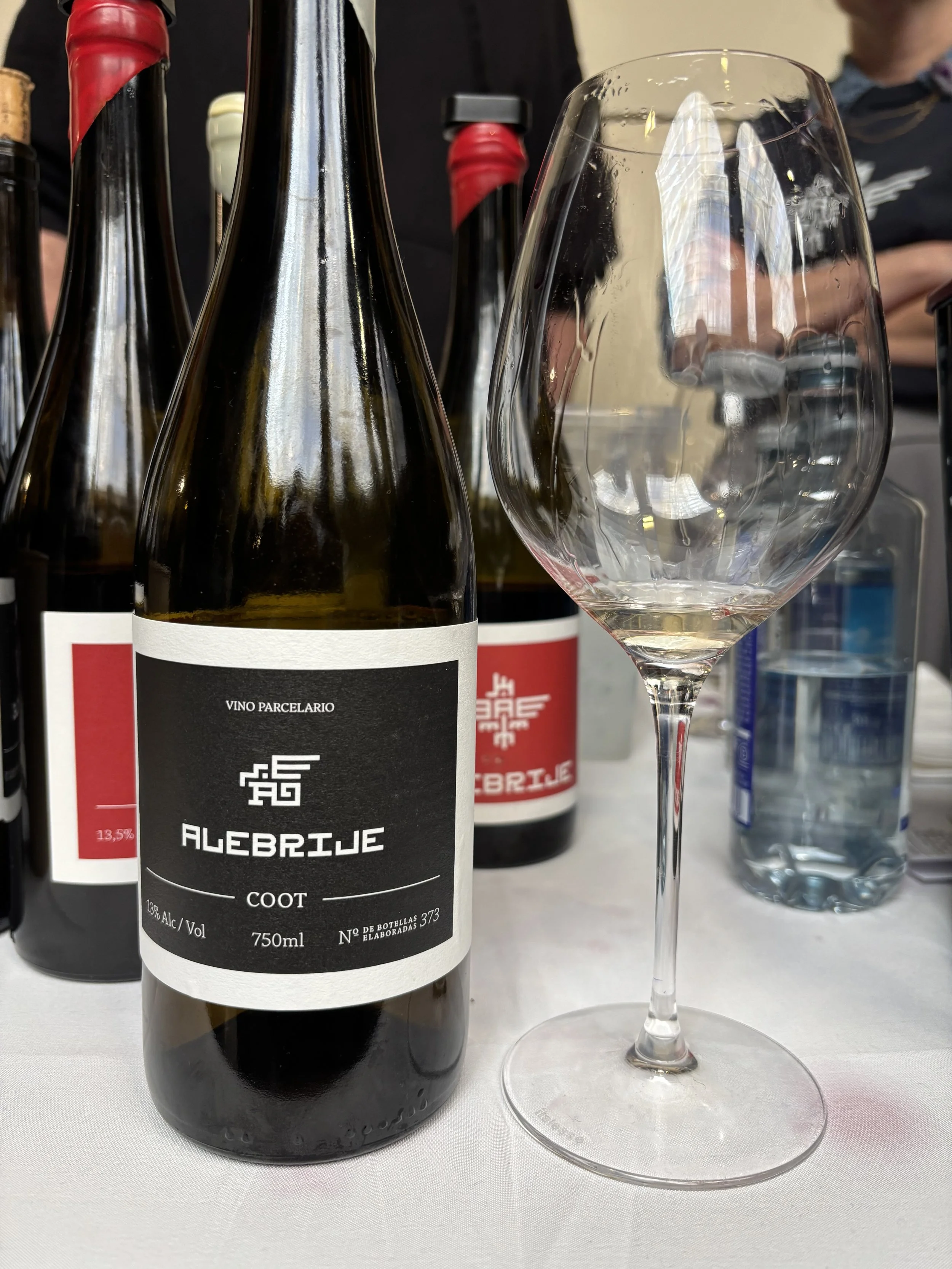
Coot 2024, Bodegas Alebrije
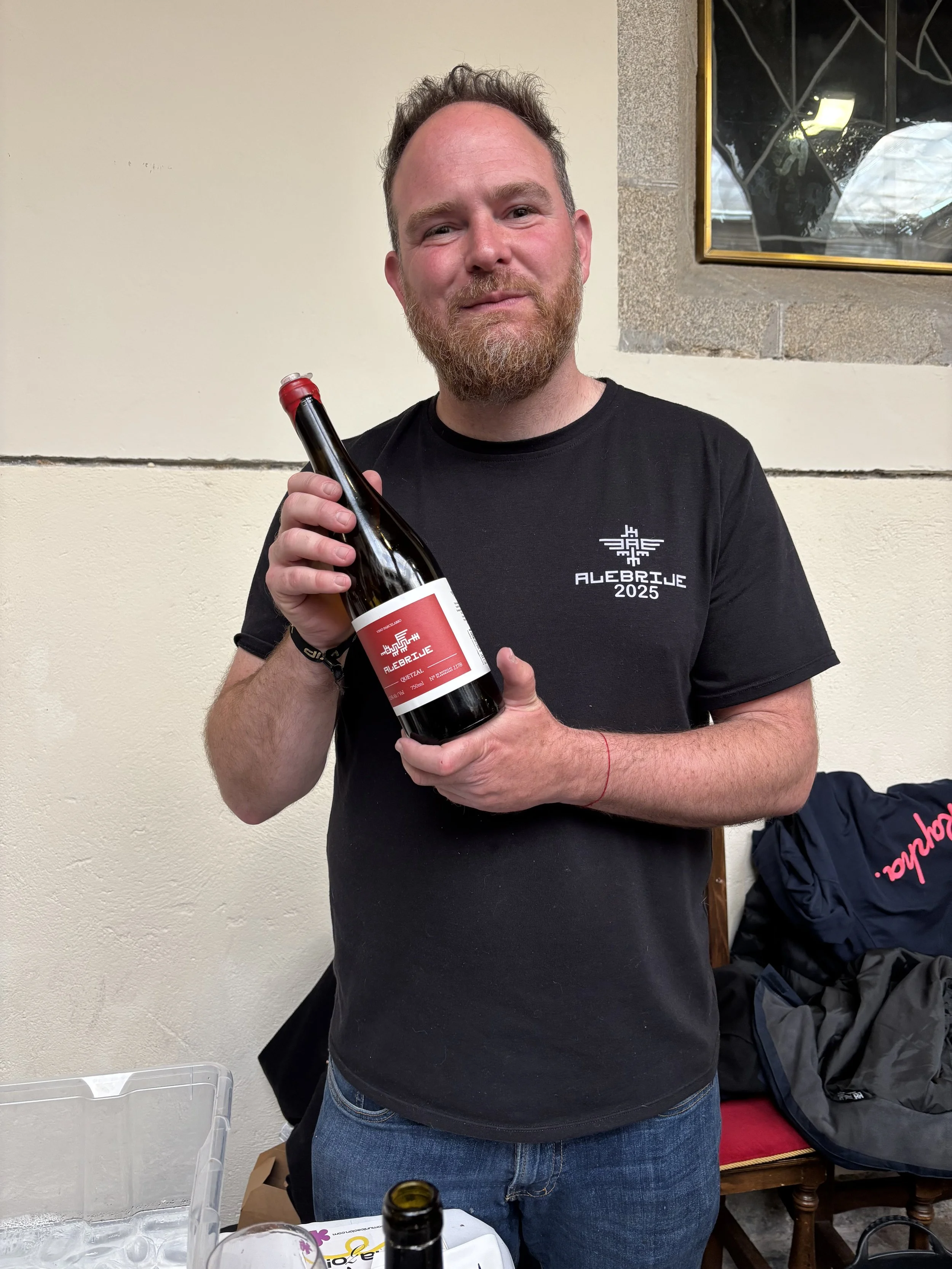
Alex Messianu and Cristina Vieira left their creative and corporate lives in the United States and, driven by a passion for wine, settled in Ribeira Sacra in 2023.
Committed to working in harmony with nature, Alex explains that their approach is “to seek the purest expression of both variety and soil, so that each bottle captures a memory of its vintage.”
Coot is crafted from 40- to 50-year-old Godello vines, with fermentation and lees ageing carried out in used 225 L French oak barrels. Broad and textured, it felt like a soulful expression of Godello, offering a pure and authentic reflection of the vineyard.
The name “Coot” means eagle in the Mayan language, a tribute to the family of eagles that regularly soar above the vines, which Alex regards as the “guardians of the parcel.”
I also enjoyed the Alebrije Rosé, a blend of Garnacha Tintorera and Palomino from very old vines, that is aged in 54 L demijohns. The latest vintage was bright and vibrant, with a lively energy that made it almost dangerously drinkable.
O Roucón 2024, microparaxes
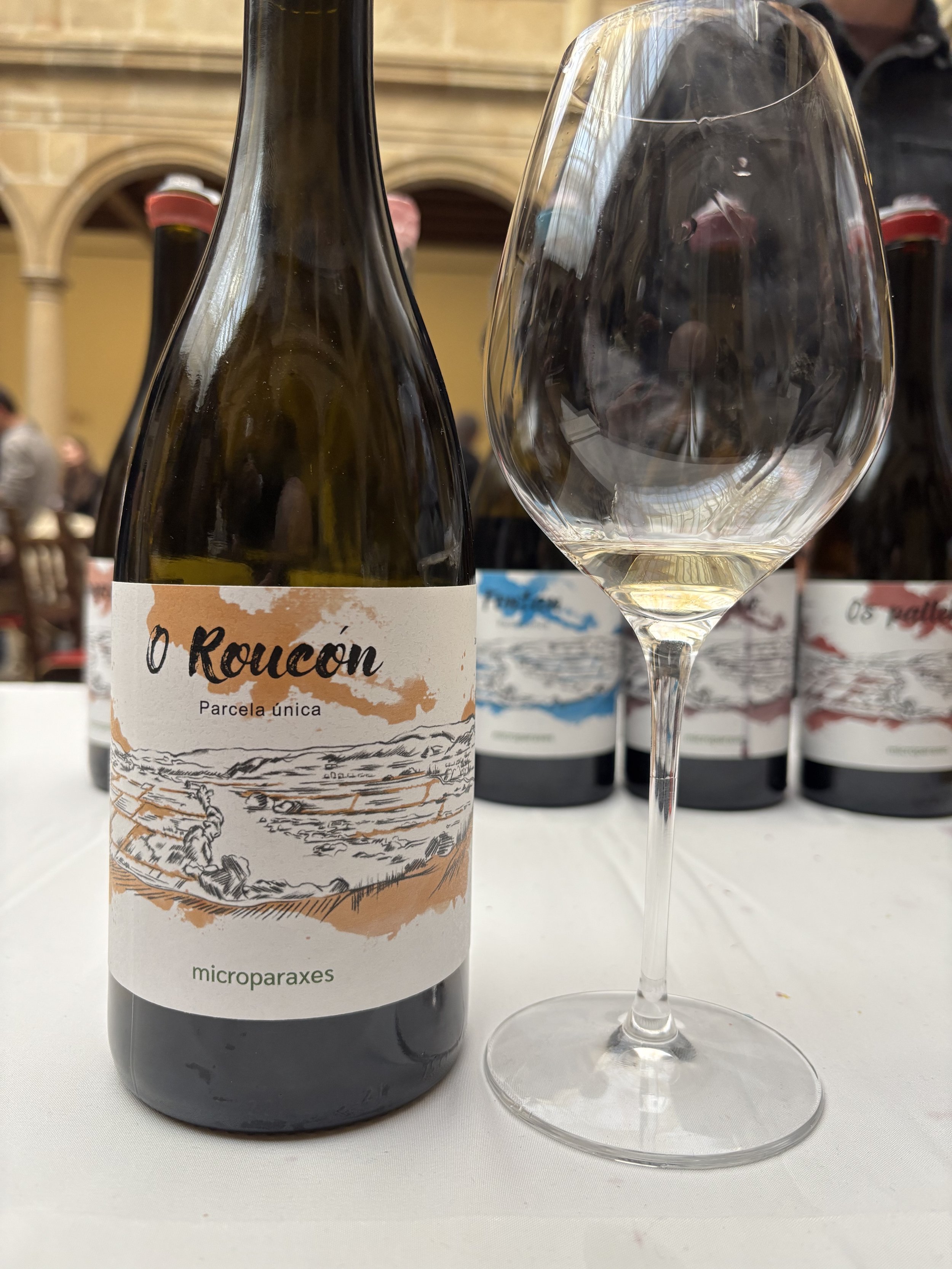
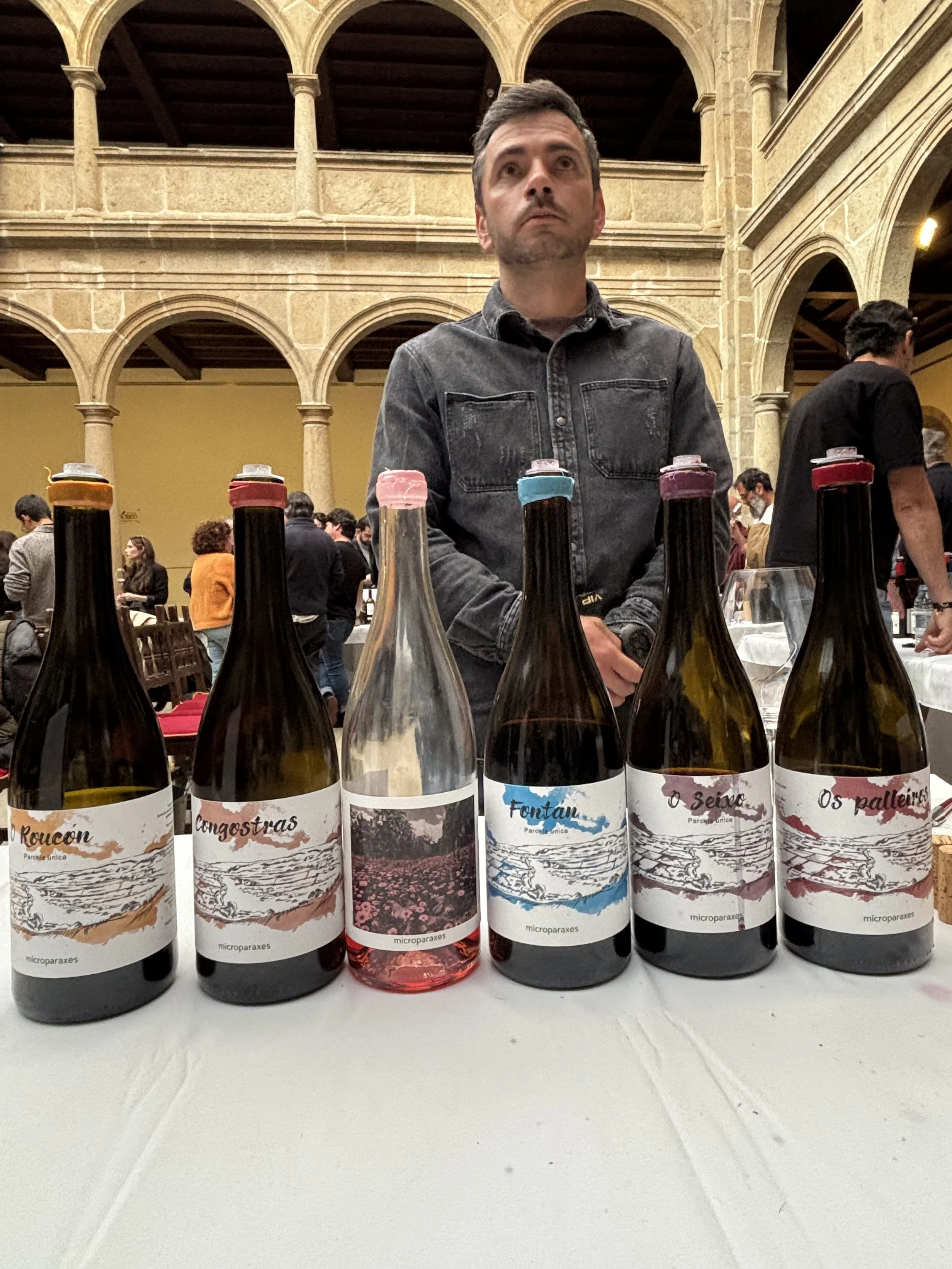
I had the opportunity to learn about the microparaxes (microplots) project led by Héctor Pérez in Ribadavia, which focuses on traditional viticulture and small-scale production from isolated parcels of old vines.
O Roucón is a blend of Treixadura, Albariño and Godello from a single plot of red clay soils. Following spontaneous fermentation in a combination of used French oak and stainless steel, the wine was aged on its lees before bottling.
Aromatically complex, it revealed notes of white stone fruit and savoury nuances. The palate was richly textured yet poised, with bright acidity bringing freshness and lift to the finish.
Fermented and aged in stainless steel tanks, it was fresh with ripe citrus aromas and flavours, with some weight and toastiness from its time on lees.
AKAET Volcán de la Corona 2024, Titerok-Akaet
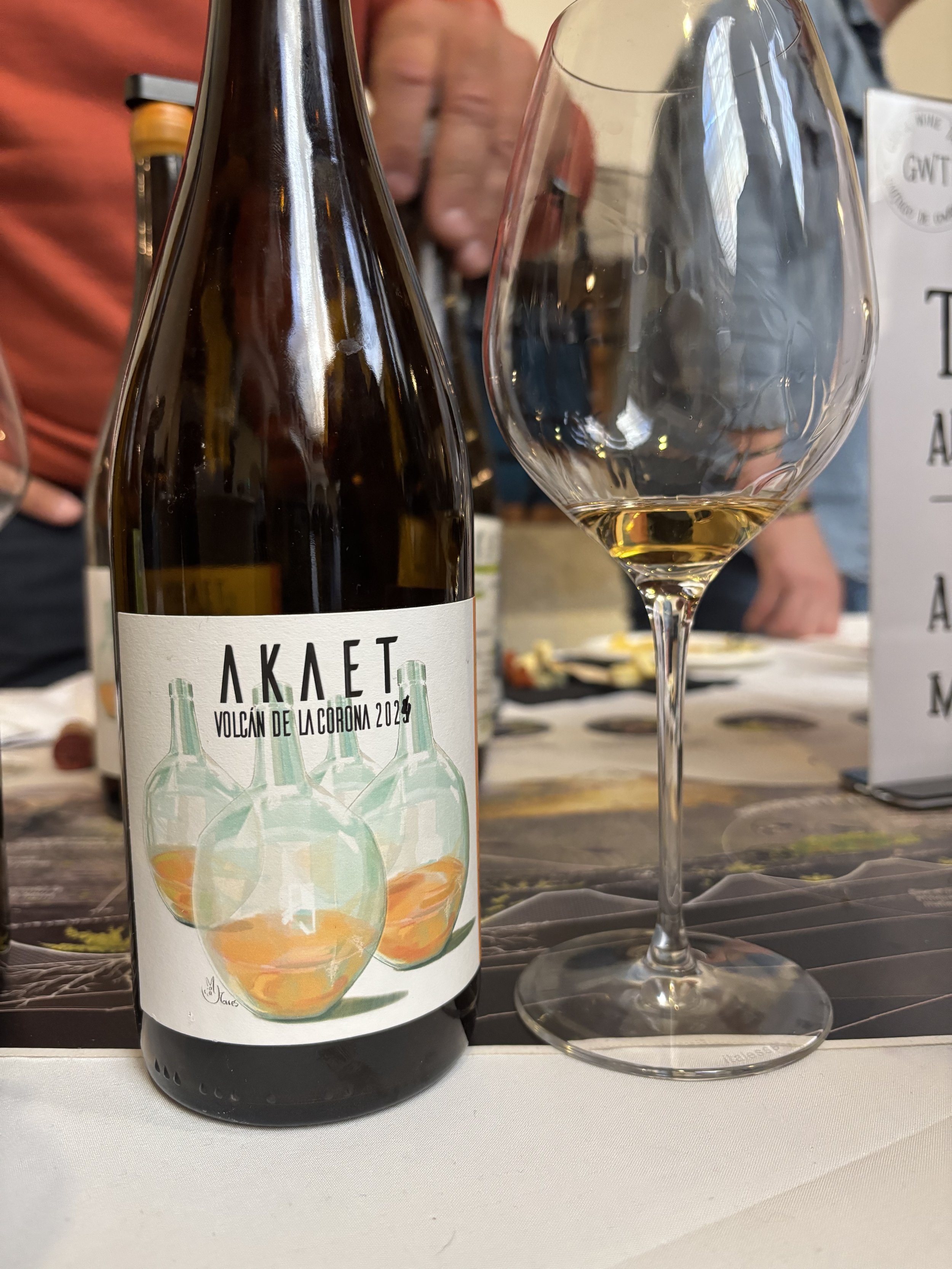
"Titirok-Akaet" is the original name of Lanzarote used by the native Berber inhabitants (the Mahos) before European conquest. It is generally understood to evoke the island’s reddish, volcanic and arid landscape.
The name has been adopted by the Titerok-Akaet project led by winemakers Juan Daniel Ramírez and Marta Labanda, which began with its first vintage in 2016.
“Our goal is to recover abandoned historic parcels,” explained Daniel, “while respecting the volcanic soils and crafting wines with minimal intervention in the most honest way possible.”
Made from 100% Listán, the grapes come from century-old vineyards on the slopes of the Corona volcano. The wine was aged on its lees in 54 L glass demijohns and bottled unfiltered.
A singular expression of the variety, it showed some subtle notes of reduction and struck match, alongside aromas of dried apricot and warm citrus. The palate was distinctly saline and mineral, with earthy undertones which conveyed a compelling sense of place.